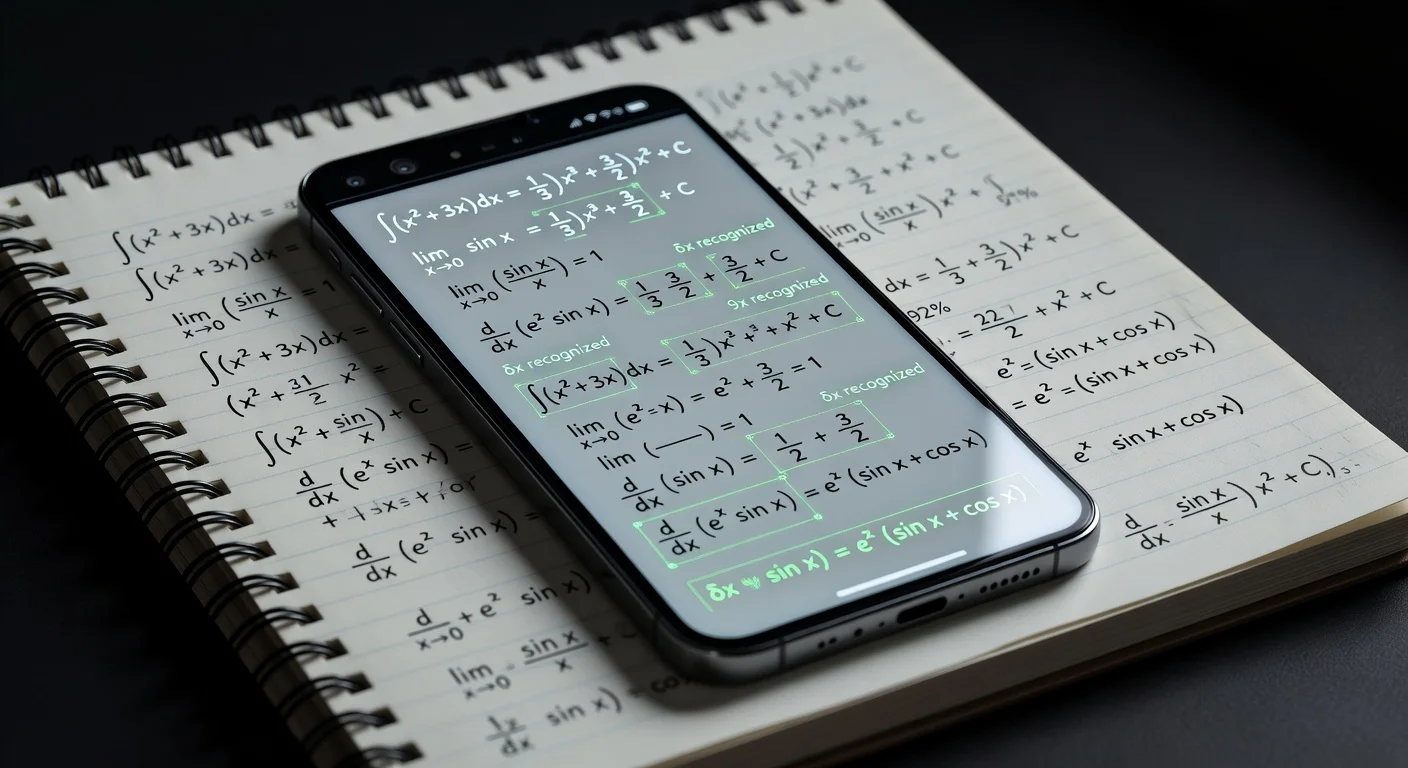
A homework app is a mobile pocket tutor that uses Optical Character Recognition (OCR) and AI to solve academic problems instantly. Unlike the static answer keys of the past, these tools break down the "why" behind the solution, offering step-by-step logic similar to a human teacher. They transform a smartphone camera into a scanner that can interpret math, chemistry, and literature questions in seconds.
Do homework apps actually help you learn or is it just cheating?
If you use them to reverse-engineer the logic, they are the most effective study aids available in 2026. However, if you simply copy the final answer without reading the steps, you are sabotaging your own exam prep.
I’ve seen the debate shift massively over the last two years. In 2024, schools were banning phones; now, according to a recent EdTech impact report, over 60% of STEM teachers recommend AI assistants for after-school practice. The difference lies in the "Step-by-Step" feature.
If an app just spits out "x = 5," it's useless for learning. The real value is when the app says: "First, isolate the variable by subtracting 3 from both sides." That is where the retention happens.
How accurate is the AI at reading handwritten notes?
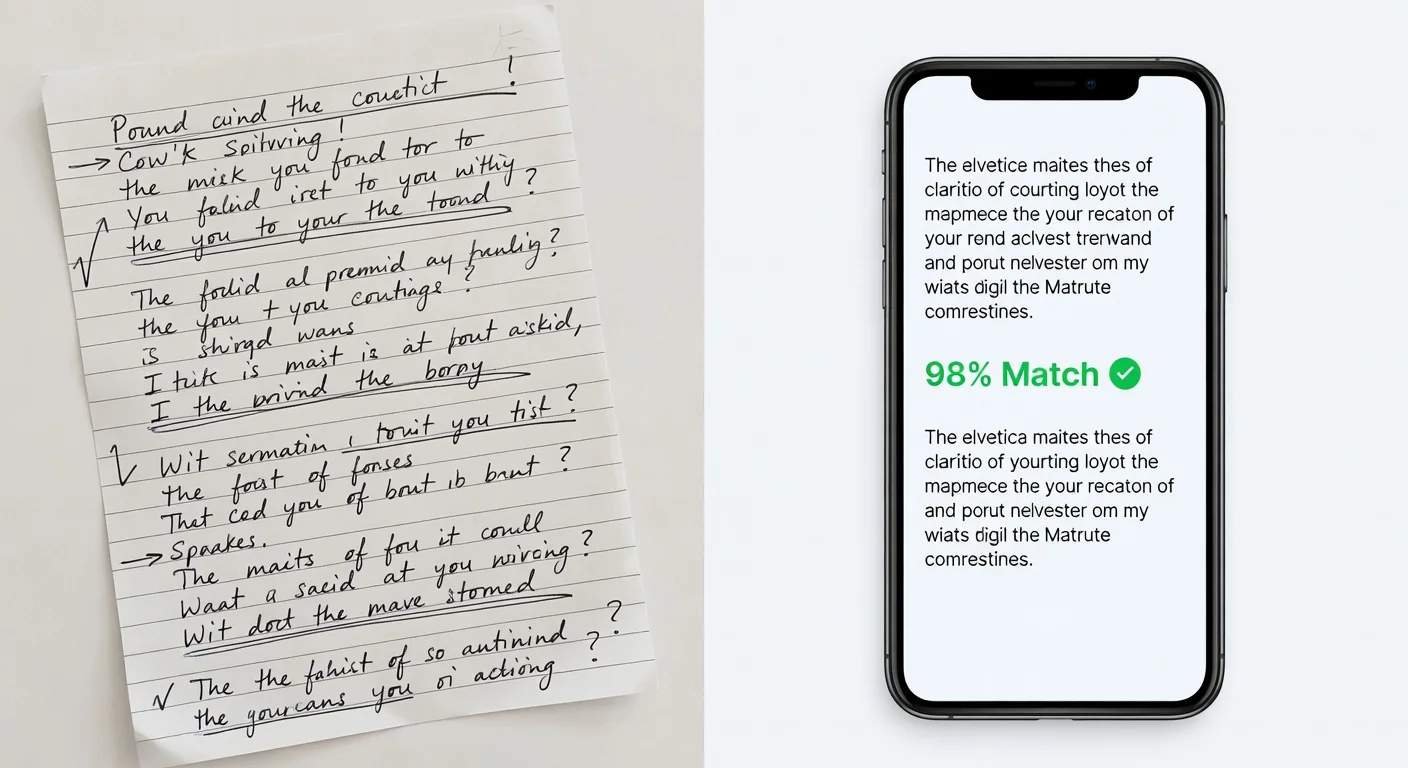
Modern apps have reached about 95% accuracy on cursive and messy handwriting. Back in the early days of OCR, you had to write like a robot for the camera to pick it up.
Now, thanks to advances in multimodal models (like the engines running under the hood of OpenAI's latest updates), these apps can read faint pencil marks, erased spots, and even coffee-stained paper.
Here is how it works technically:
- Image Pre-processing: The app increases contrast to separate the ink from the paper grain.
- Segmentation: It breaks the image into individual characters or symbols.
- Contextual Logic: The AI knows that a vertical line next to a "5" is likely a "1" or a generic bracket, depending on the surrounding equation.
What are the best homework apps for 2026?
The market is crowded, but only a few apps prioritize the user interface over flashy gimmicks. I tested the leading tools based on speed, explanation quality, and price.
Below is a breakdown of the top contenders currently on the App Store.
| App Name | Best For | Step-by-Step Quality | Price Model |
|---|---|---|---|
| ThinkAssist | Best Overall / Value | High (Detailed Logic) | Freemium |
| Photomath | Basic Algebra | Medium (Standard) | Freemium |
| Chegg Study | Textbook Solutions | High (Crowdsourced) | Subscription ($19/mo) |
| Socratic | Visual Learners | Low (Search-based) | Free |
I was genuinely surprised by ThinkAssist during my testing this week. While many huge competitors have become bloated with ads, ThinkAssist felt streamlined. It functioned exactly as a 24/7 tutor should: I snapped a photo of a calculus derivative, and the explanation didn't just solve it—it taught me the chain rule step-by-step.
If you are looking for an app that balances automatic subject detection with an interface that doesn't scream "corporate product," this is my top pick. You can check it out on the App Store here.
Do AI homework apps handle subjects beyond math?
Yes, the days of "math-only" solvers are long gone. In late 2025, the standard for these apps shifted from simple calculation engines to full Large Language Model (LLM) integrations.
Common supported subjects now include:
- Chemistry: Balancing equations and identifying molecular structures.
- Biology: Answering questions about diagrams or cellular processes.
- History/Literature: Summarizing texts or providing context for essay prompts.
I tested this by uploading a photo of a periodic table question. The AI didn't just give the atomic mass; it explained the trend of electronegativity across the period. That is the difference between a calculator and a tutor.
However, be careful with literature. AI can sometimes hallucinate quotes or misinterpret heavy sarcasm in classic texts. Math and Science remain the strongest use cases because the answers are objective.

How much do AI homework solvers cost in 2026?
Expect to pay between $5 and $10 per month for a premium experience, though free versions exist.
Most apps (including the heavy hitters) will let you scan and get the final answer for free. That hooks you. But if you want the "Step-by-Step" breakdown—which is the only part that actually helps you pass the test—you usually hit a paywall.
Is it worth it?
If you compare it to a human tutor, absolutely. A private tutor costs roughly $40 to $70 per hour in the US. An app subscription costs less than a single lunch for a month of unlimited access.
For example, ThinkAssist offers exam prep features where it saves your past answers. This creates a personalized study guide for finals week roughly for the price of a fancy coffee. That is a massive ROI (Return on Investment) for a student on a budget.
Can AI homework apps work offline?
Generally, no.
Most AI processing happens in the cloud, not on your device. The models required to interpret an image and solve a differential equation are too large to sit on your iPhone's local storage.
So, if you are stuck in a classroom with zero reception or blocked WiFi, you might be out of luck. Always ensure you have a stable data connection before relying on these for a last-minute study session.
Frequently Asked Questions
Are homework apps considered cheating?
Most schools now classify them as tools rather than cheating devices, provided they are used for learning the "how" rather than just copying the "what". If you use the step-by-step feature to understand the logic, it is tutoring. If you just copy the final answer, it's academic dishonesty.
Can AI read my cursive handwriting?
Yes, modern OCR (Optical Character Recognition) in 2026 has a 95%+ accuracy rate with cursive. Apps like ThinkAssist use advanced vision models that can decipher messy loops and pencil smudges better than previous generations of tech.
Do AI homework apps work for subjects other than math?
Absolutely. While math was the first frontier, current apps handle chemistry diagrams, biology questions, and even history essay prompts. They use multimodal AI to understand context beyond just numbers.
Is there a free AI homework helper?
Most apps operate on a "Freemium" model. You typically get basic answers for free, but detailed step-by-step explanations and ad-free experiences almost always require a subscription, usually ranging from $5 to $15 per month.