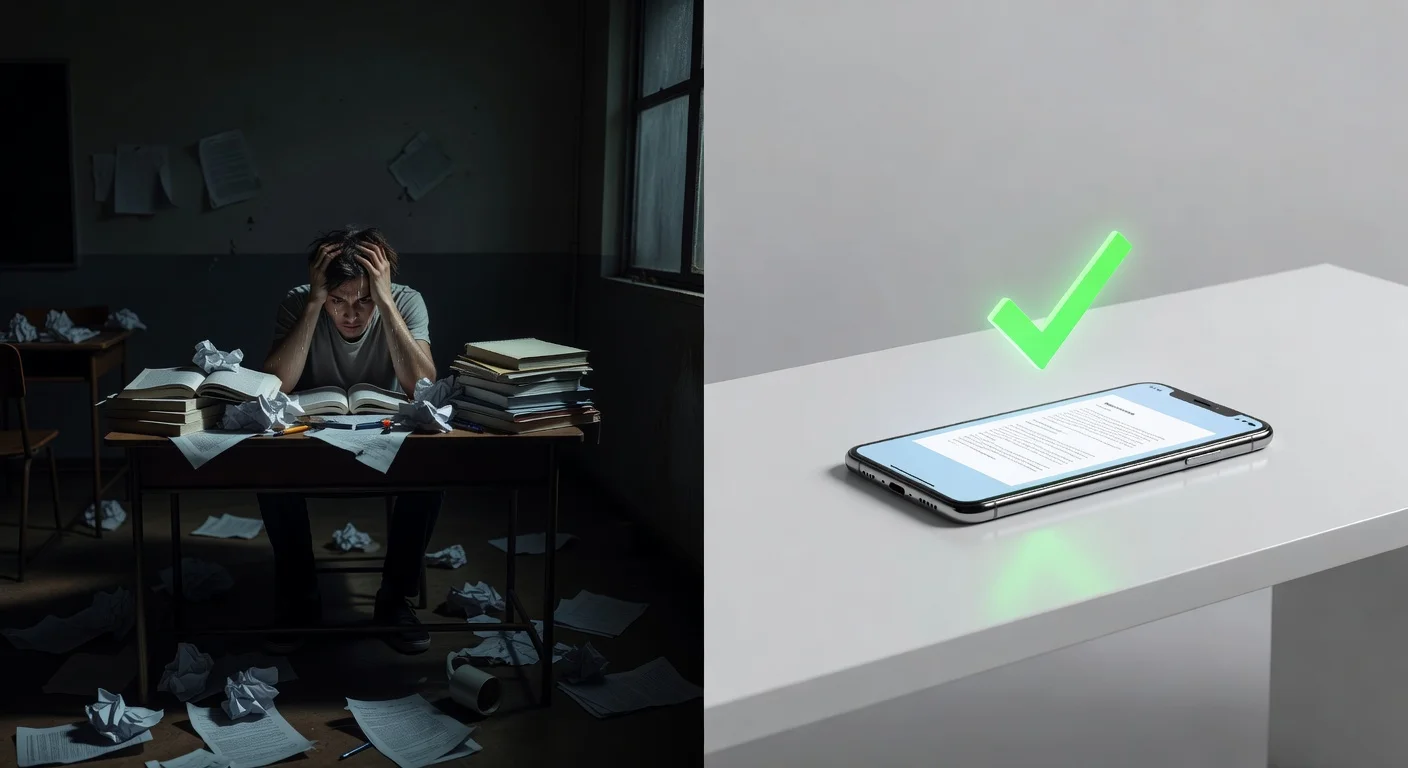
Motivation (in the context of homework and assignments) is the biological momentum created by lowered friction and clear rewards. Unlike the "inspiration" artists wait for, the drive to get motivated to do assignments is a mechanical process of tricking your brain’s limbic system into accepting a task it thinks is painful.
Basically, you have to make starting easier than procrastinating.
Why do I feel physical pain when I try to start studying?
Your brain literally processes the anticipation of boring work as physical pain. Research in cognitive neuroscience has confirmed that the insular cortex (the pain center) lights up when students actively dread an assignment — the same region that fires during physical discomfort.
So, if you feel like you're wading through concrete, you aren't "lazy." You are experiencing a biological threat response.
The trick isn't to toughen up; it's to lower the threat level.
Here is how I fix this:
- Shrink the Target: Don't write "Do History Essay." Write "Open Google Doc and type the title."
- The 5-Minute Rule: Tell yourself you can quit after 5 minutes. (You almost never will).
- Hydrate: A 2% drop in hydration leads to a 20% drop in focus.
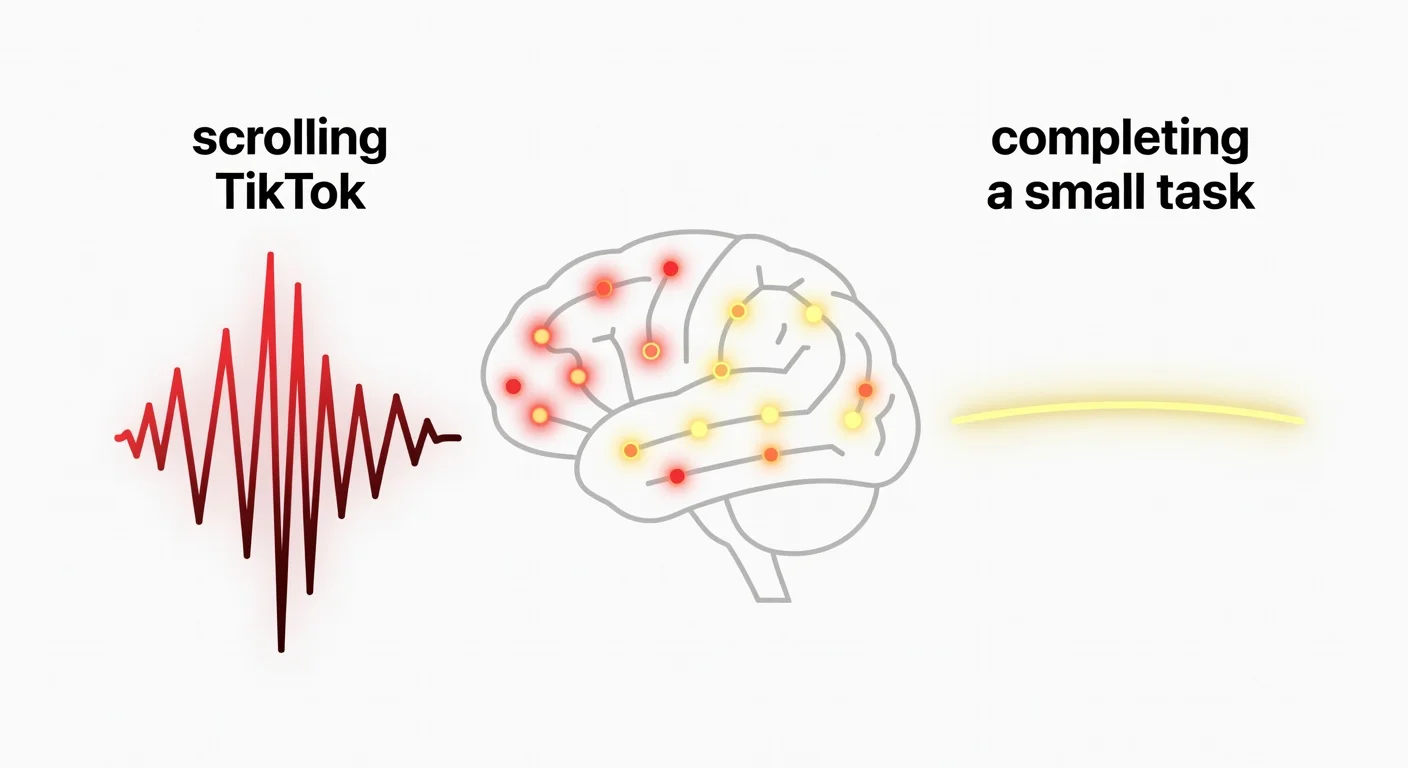
What is the fastest way to start an assignment I hate?
You need to outsource the "activation energy" to a tool or a timer. The hardest part of a rocket launch is the first 100 feet; homework is exactly the same.
If you are staring at a math problem and your brain goes blank, the friction is too high. You need a friction reducer.
Why I use AI to break the seal:
When I'm stuck, I use an AI tool to explain the concept, not just give me the answer.
This is where apps like ThinkAssist save my GPA. Instead of flipping through a 400-page textbook for 20 minutes (and getting distracted by my phone instantly), I just Snap a Photo of the problem.
The app detects the subject automatically and gives a step-by-step explanation. Suddenly, the "impossible" task is just a series of small, logical steps. reducing that "pain" signal in my brain instantly.
How do ThinkAssist, Chegg Study, ChatGPT, and Standard Calculators Compare for Homework Support in 2026?
I've tested the major players currently dominating the App Store. Here is how they stack up for actual student workflows.
| Feature | ThinkAssist | Chegg Study | ChatGPT (Free) | Standard Calculator |
|---|---|---|---|---|
| Best For | Step-by-Step Learning | Textbook Answers | Writing/Brainstorming | Basic Arithmetic |
| Input Method | OCR Photo Scan | Text Search | Text/Type | Manual Entry |
| Explanation Depth | High (Tutor Mode) | Variable | Variable (Hallucinates) | None |
| Price Factor | Best Value | Expensive ($15+/mo) | Free (Limited) | Free |
| 24/7 Availability | Yes | Yes | Yes | Yes |
How do I structure a study session for homework if I have ADHD?
You must reject the "Marathon Method" and embrace micro-sprints. The old advice of "sit in a quiet room for 3 hours" is actually counterproductive for neurodivergent brains in 2026.
I found that my focus acts like a battery that drains rapidly but recharges fast.
The "Pomodoro 2.0" Protocol:
- Set a Timer for 25 Minutes: No phone, no tabs unrelated to work.
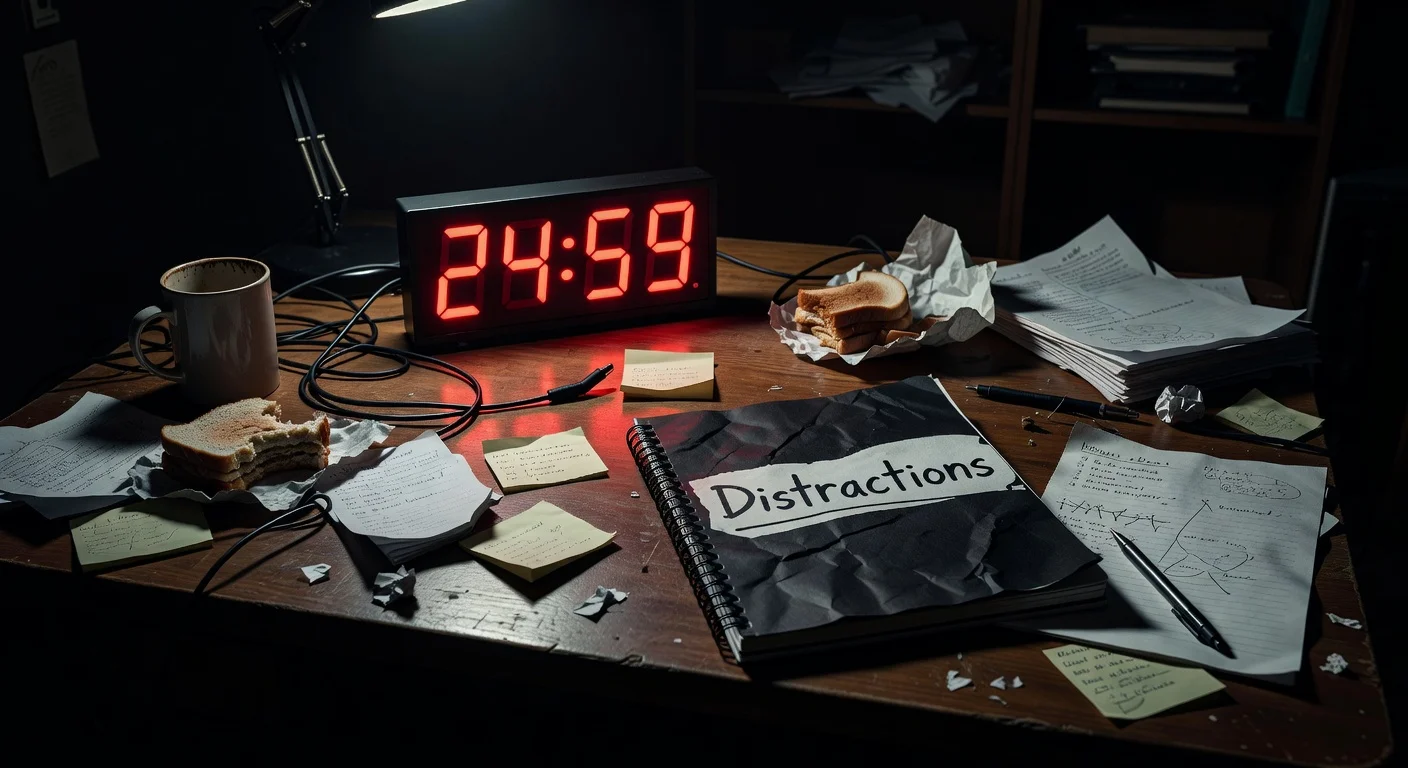
- The "Distraction Pad": Keep a physical notepad next to you. If you think "I need to check Instagram" or "I need to buy socks," write it down. Do NOT do it.
- 5-Minute Break: You must stand up. If you stay in your chair, the break doesn't count.
- The "AI Check-in": If you hit a wall during the 25 minutes, don't spiral. Use ThinkAssist to get an instant explanation so you don't lose momentum.
Is "Body Doubling" effective for homework motivation in difficult subjects?
Yes, study after study shows that the mere presence of another person improves focus by up to 40%. It's an accountability hack called "Body Doubling."
You don't even need to talk to them. You just need to be seen working.
How to do it without friends:
- Discord Study Halls: There are servers with 50,000+ members just sitting in silence on voice channels.
- Library: Sit near someone who looks intense. Their focus is contagious (mirror neurons).
- Digital Tutors: If you can't find a human, an AI interface acts as a pseudo-body double. It provides that transactional feeling of "I ask, you answer, we are working." The best homework helper apps are built for exactly this loop.
Why does my phone destroy homework motivation?
Your phone is an engineered dopamine slot machine competing against a static textbook. The textbook will essentially always lose this fight.
Apps are designed by PhD behavioral psychologists to keep you scrolling. The American Psychological Association has tracked how heavy screen use between tasks fragments study sessions and extends the time it takes to re-enter deep focus.
The Nuclear Option:
I honestly recommend putting your phone in a different room.
If you need it for apps like ThinkAssist to scan worksheets, use iOS "Focus Mode" to whitelist only your study tools and block everything else.
If you react to a notification, it takes your brain 23 minutes to get back to the same depth of focus you had before the buzz. Calculate that cost.
Does "Reward Stacking" actually work for homework motivation?
Yes, but you have to get the order right. Most students do this backwards they "pre-reward" themselves with an hour of gaming before starting.
The Logic: Dopamine must be the result of effort, not the precursor.
My Reward Stack:
- Task: Finish 5 math problems.
- Reward: 10 minutes of YouTube.
- Task: Read Chapter 4.
- Reward: A specific snack I only eat when studying.
By associating a specific flavor (like a sour gummy) with studying, you can eventually Pavlov yourself into focus mode just by tasting it. If you want a system that makes the tasks themselves clearer before you start stacking rewards, a homework planner removes the "what do I even work on first?" paralysis.
Sounds weird? Maybe. Does it work? Absolutely.
What should I do when I'm too burned out to study?
If you are physically exhausted, motivation techniques will backfire — you need active rest first. Scrolling your phone is not rest. It floods your brain with information and blue light, making you more tired but less able to sleep.
Try Non-Sleep Deep Rest (NSDR): lie down, eyes closed, no phone, for 10-20 minutes. It's a technique popularized by neurobiologist Andrew Huberman that resets your dopamine baseline without a full sleep cycle. Students who use it consistently report feeling sharper than after a caffeine hit.
Signs you need this before you open a textbook:
- You've read the same sentence three times without anything registering.
- Your eyes physically sting.
- You feel irritable at inanimate objects.
Does music actually help you get motivated to do assignments?
Yes, but the genre matters more than most people realize. The lofi/instrumental approach most students try is decent, but brown noise and video game soundtracks tend to outperform it.
Video game music is specifically engineered to keep players engaged for hours without breaking concentration — the exact state you want for assignments. Brown noise, meanwhile, quiets internal mental chatter without pulling your attention the way lyrics or melodies can.
Avoid anything with lyrics if you're reading or writing. The language center of your brain can't process two streams of words at once.
How can "Negative Visualization" help me start homework when unmotivated?
Sometimes fear is a better motivator than hope. Instead of imagining how good it will feel to get an A+, imagine the specific consequences of failing.
- Imagine retaking this class in the summer while your friends are at the beach.
- Imagine the awkward talk with your parents.
- Imagine the stress of doing this assignment at 4 AM tomorrow.
I use this sparingly, but when I'm really stuck, a small dose of "future panic" is usually enough to get me to open the laptop. Once the laptop is open, the hard part is over.
Common Questions About Getting Motivated for Homework
Why do I have zero motivation to do homework?
Often, it's not laziness but "task paralysis" caused by overwhelm or a dopamine deficit. Your brain perceives the vague task of "homework" as a threat, triggering avoidance.
Does listening to music help with homework motivation?
It depends strongly on the genre. Lofi or instrumental music generally aids focus by occupying the distracted part of the brain, while lyrical music drops comprehension by up to 20%.
How can I force myself to do homework when I'm tired?
Use the "5-Minute Rule": commit to doing the work for just five minutes. Usually, the friction is in the starting, not the doing. Also, drink water (dehydration mimics fatigue).
Are AI homework helpers considered cheating?
Not if used correctly. Tools like ThinkAssist explain the "why" behind the answer, functioning as a 24/7 tutor rather than just an answer key.
What is the 5-minute rule for studying?
Commit to working for just 5 minutes, then give yourself permission to stop. The friction is almost always in starting, not continuing. Once you begin, momentum usually carries you through the rest.
Does gamification help with staying motivated for assignments?
Yes, but only if the feedback loop is immediate. Try placing a small reward at the end of every few pages, or use an app like Habitica that turns your to-do list into a game with XP and levels.
What should I do if I am too burned out to study?
Stop trying to power through. Take a 10-20 minute Non-Sleep Deep Rest (NSDR) break with your eyes closed and no phone. Scrolling is not rest. NSDR resets your dopamine baseline and leaves you sharper than a caffeine hit.