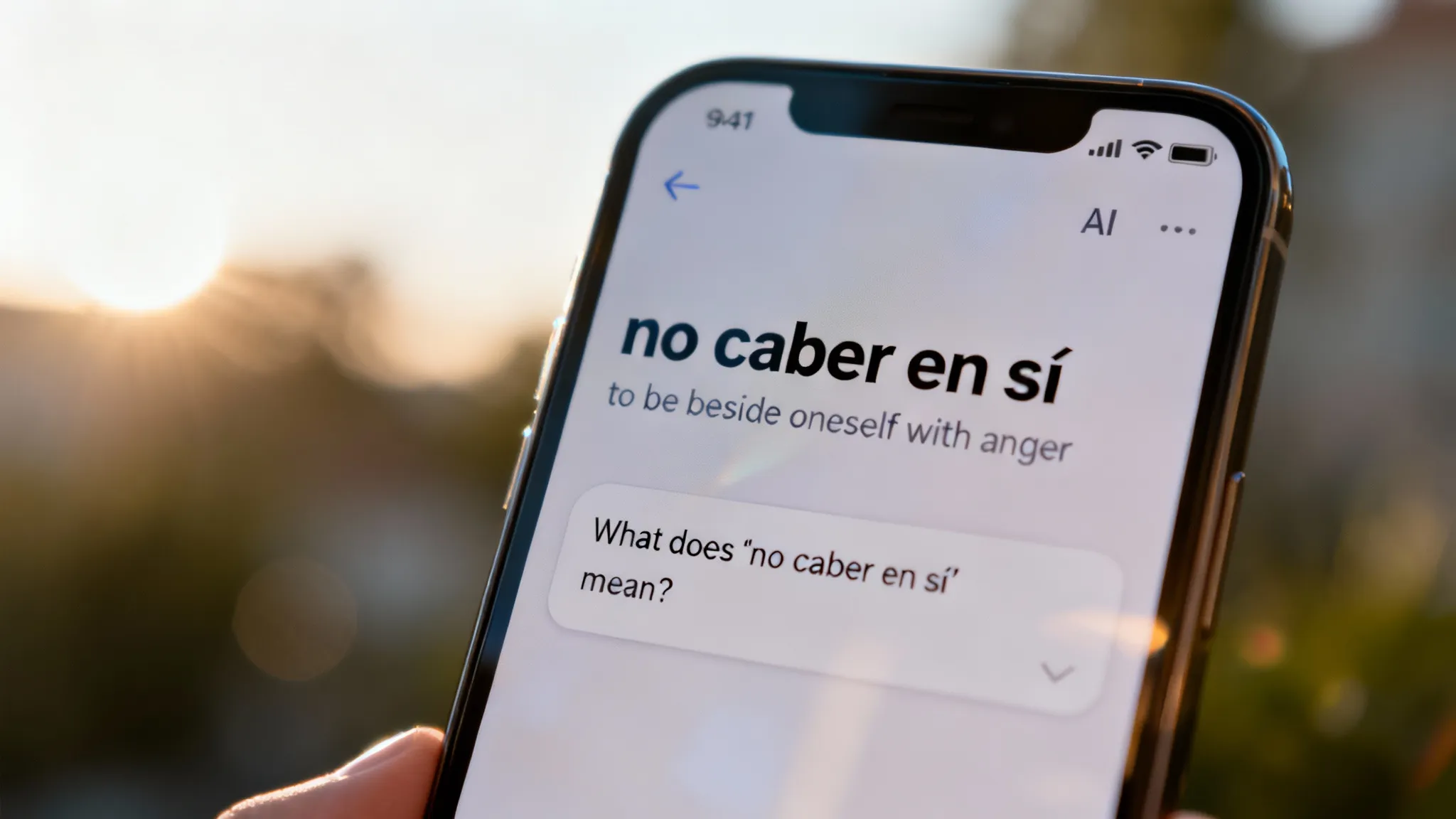
Spanish learning apps in 2026 are pocket-sized immersion tools that use generative AI to simulate real conversations. Unlike the flashcard decks of the early 2020s, modern apps focus on context, listening, and "learning by fixing," which mimics how we actually acquire language as children.
After spending over six months testing more than 30 language platforms on real coursework, I can tell you most of them are not built for students who need to pass actual classes. The options have changed since the early gamification era — tools now act as on-demand tutors rather than just games. If you are struggling with a specific worksheet or just want to order tapas without sounding like a tourist, the tech has finally caught up.
Do I really need to pay for a subscription to Spanish learning apps?
Yes, if you want to get past the beginner stage.
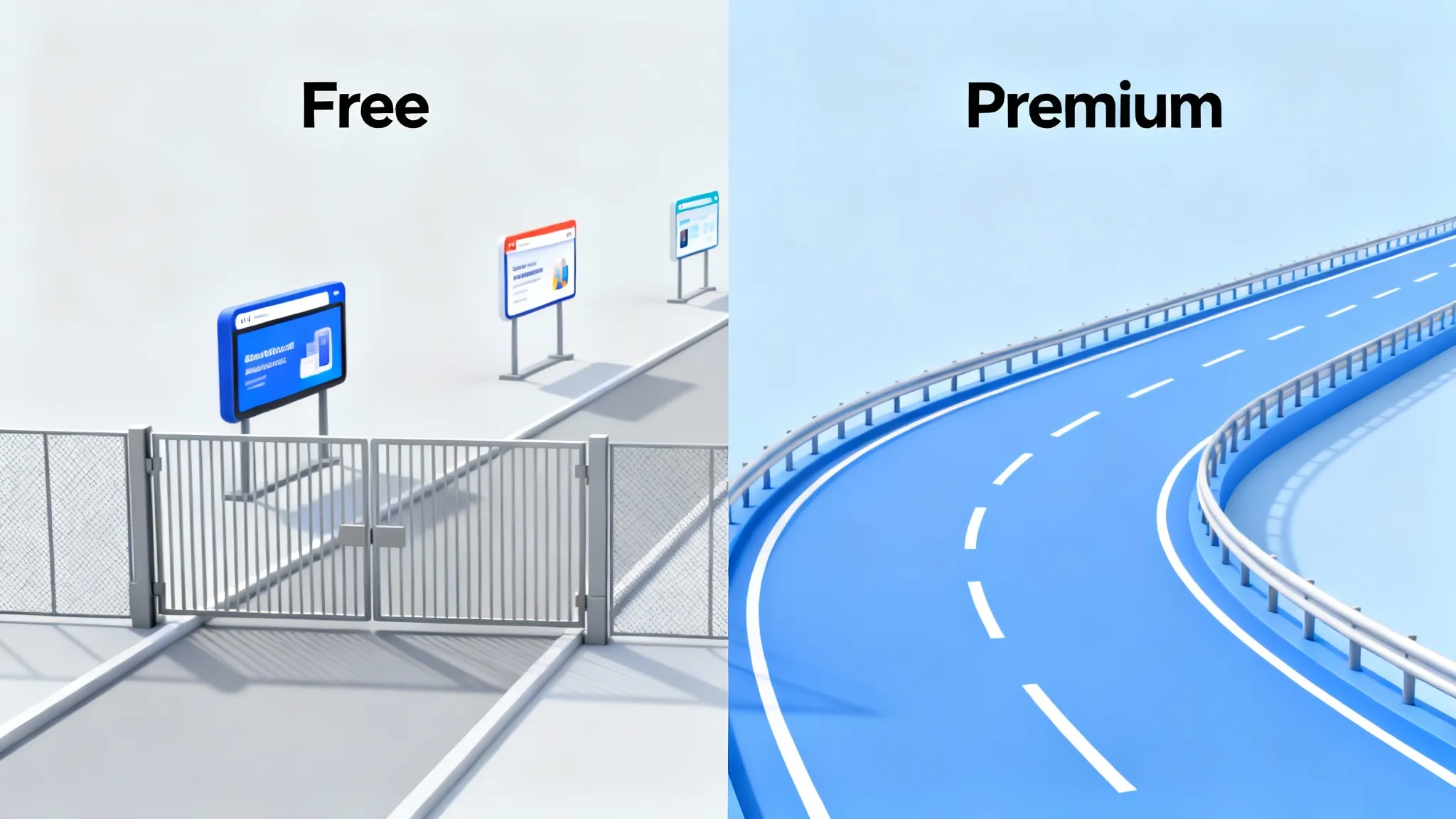
Most comprehensive apps now operate on a "freemium" model where the actual learning tools (like grammar breakdowns and unlimited practice) are locked behind a paywall.
- The Cost: In 2026, the average premium subscription hovers around $12.99 to $19.99 per month.
- The Free Trap: Free tiers usually limit you to 5 mistakes per day (the "hearts" system) or flood you with 30-second ads after every lesson.
If you can't afford the monthly fee, you are better off using free rigorous content on YouTube or podcasts rather than a crippled app version.
If you are also studying other languages, our guide to Chinese learning apps and English learning app breakdown cover similar tools for those subjects.
How do I choose the right Spanish learning app for my level?
You need to identify if you are learning for "survival" or "mastery."
Apps are specialized now. Some are built for rapid vocabulary acquisition (great for travel), while others are essentially digital textbooks (great for grades).
Here is how I break it down:
- Travelers: Look for audio-heavy apps (like Pimsleur) that force you to speak.
- Students: You need "Solver" apps that explain logic, not just phrasebooks.
- Hobbyists: Gamified apps (like Duolingo) keep you motivated but won't teach deep grammar.
Top Spanish Learning Tools Compared: 2026 Edition
I tested the leading platforms against real-world criteria: price, grammar depth, and ease of use.
| App Name | Best For | Price Model | Primary Method |
|---|---|---|---|
| Duolingo | Daily Habit Building | Ad-supported / Sub | Gamified Translation |
| Pimsleur | Speaking/Pronunciation | Subscription ($20/mo) | Audio-Only Spaced Repetition |
| Babbel | Formal Grammar | Subscription ($14/mo) | Dialogue-Based Lessons |
| ThinkAssist | Homework & Grammar Logic | Free / Premium | AI Photo Solver & Tutor |
The Grammar Logic Gap: Where Standard Apps Fall Short
Standard Spanish apps tell you when you are wrong, but rarely explain why.
I noticed this frustration years ago. You type a sentence in a learning app, it marks it red, gives you the right answer, but doesn't tell you why the subjunctive mood was required there.
This is where ThinkAssist fills the gap. It is not a course you follow lesson-by-lesson — it is a grammar logic engine. When I get a conjugation wrong on a worksheet, I scan it and get a breakdown of which tense rule I violated and why the correct form applies. That kind of targeted correction sticks in your memory far better than a red underline with no context.
I started using it specifically to check my work before submitting it. If you are writing a Spanish essay and are unsure whether hubiera or habría is correct in context, you get the grammatical reasoning in seconds rather than spending 20 minutes searching grammar forums. You can grab it on the App Store and test it on your next assignment.
Can AI Spanish learning apps understand nuance and slang?
Yes, largely thanks to the LLM (Large Language Model) boom.
Back in 2023, translation tools were rigid. If you used Mexican slang in a sentence meant for Spain Spanish, the app would just mark it wrong.
In 2026, tools are context-aware.
- Dialect Detection: Advanced apps can now tell if you are trying to speak Rioplatense (Argentinians) or Castilian (Spain).
- Context: If you snap a picture of a menu with an AI solver, it understands the context is "food" and won't translate torta as "cake" if the menu clearly shows a sandwich (which is what torta means in Mexico).

Building an Effective Study Routine with Spanish Apps
Don't rely on just one app.
I see people fail because they think 15 minutes of dragging word bubbles will make them fluent. It won't. The most successful learners stack their tech.
A solid 2026 study stack looks like this:
- Input (20 mins): Listen to a Pimsleur lesson or a Spanish podcast during your commute.
- Practice (15 mins): Use a gamified app to keep your streak alive and learn new nouns.
- Review (As needed): Use a solver to deconstruct complex sentences. If you are writing an essay or filling out a workbook, use an AI tool to verify your conjugation logic before you memorize a mistake.
If your homework extends beyond languages into math or science, an AI homework helper can handle those subjects using the same scan-and-learn workflow.
Research on hybrid learning approaches — like the spacing effect studies by Cepeda et al. — consistently shows that mixing active output with spaced algorithmic correction leads to significantly better vocabulary retention than rote memorization alone.
What about speaking practice in Spanish learning apps?
You still need to open your mouth.
The biggest weakness of most apps is that you can use them silently on the bus. That is not learning a language; that is solving a puzzle.
Voice Recognition upgrades:
Apps used to be bad at hearing accents. Now, they are almost too strict.
- Pronunciation Scores: Many apps now give you a percentage score on your accent.
- Latency: Real-time conversation bots can now hold a dialogue with you with zero lag.
However, talking to a robot is still... talking to a robot. If you get nervous speaking to real humans, no app can fully cure that. You have to eventually find a language exchange partner.
How do Spanish learning apps handle privacy and data in 2026?
Read the fine print on how your voice data is used.
Since most modern apps maximize their efficiency by training on user data, your voice recordings are often used to improve their models.
If you are privacy-conscious, look for apps that process OCR (Optical Character Recognition) and voice data locally on-device. Most premium iOS apps (like the ones listed in the table above) are shifting toward on-device processing to speed up results and protect user data.
Is lifetime access to Spanish learning apps worth paying for?
Usually, no.
I have been burned by this before. An app offers a "Lifetime Deal" for $200. You buy it. Two years later, they release "Version 2.0" and your lifetime access only applies to the old, abandoned version.
Stick to monthly or yearly.
- It keeps the developers hungry to improve the product.
- If a better AI model comes out next year (and it will), you aren't tied to a sinking ship.
- Exceptions: If the app is a simple utility wrapper that doesn't rely on server-side compute costs.
The Realistic Path to Spanish Fluency in 2026
If you are serious about Spanish, stop looking for a "magic pill." Language learning is just pattern recognition and muscle memory.
- Immerse: Use audio apps.
- Verify: Use an AI grammar tool to check your homework before submitting — catching errors before they stick is far more efficient than unlearning them later.
- Persistence: Do it every day, even if it's just for 10 minutes.
The tech in 2026 is incredible, but it only works if you actually open the app.
Frequently Asked Questions
Are free Spanish learning apps enough to become fluent?
No, free apps generally build vocabulary but lack the complex grammar explanations and conversational practice needed for fluency. They are best used as supplements to a paid course or tutor.
Can AI apps really check my Spanish homework?
Yes. Tools like ThinkAssist use optical character recognition (OCR) and advanced language models to scan written Spanish problems and explain the conjugation or syntax logic step-by-step.
How long does it take to learn Spanish with an app?
The U.S. Foreign Service Institute estimates reaching B2 Spanish proficiency requires around 600 hours of study. Apps can accelerate this, but usage needs to be consistent — at least 30 minutes daily.
What is the best app for Spanish grammar specifically?
For pure grammar logic, AI solvers are currently outperforming standard courses because they explain the 'why' behind a mistake rather than just marking it wrong.
Do Spanish learning apps work for kids under 12?
Yes, apps like Duolingo and HelloChinese have dedicated kids modes with parental controls. However, most AI solver features are designed for high school and college-level coursework.
Can I use a Spanish learning app to prepare for the DELE exam?
General apps build foundational skills, but you will need targeted DELE practice materials alongside them. AI solvers can help you break down past exam questions and understand the grammar logic behind tricky sections.
How many hours per week should I spend on a Spanish learning app?
Consistency matters more than volume. The U.S. Foreign Service Institute classifies Spanish as a Category I language requiring roughly 600 class hours. Daily sessions of 20 to 30 minutes (roughly 2.5 to 3.5 hours weekly) produce better retention than occasional 3-hour cramming sessions.