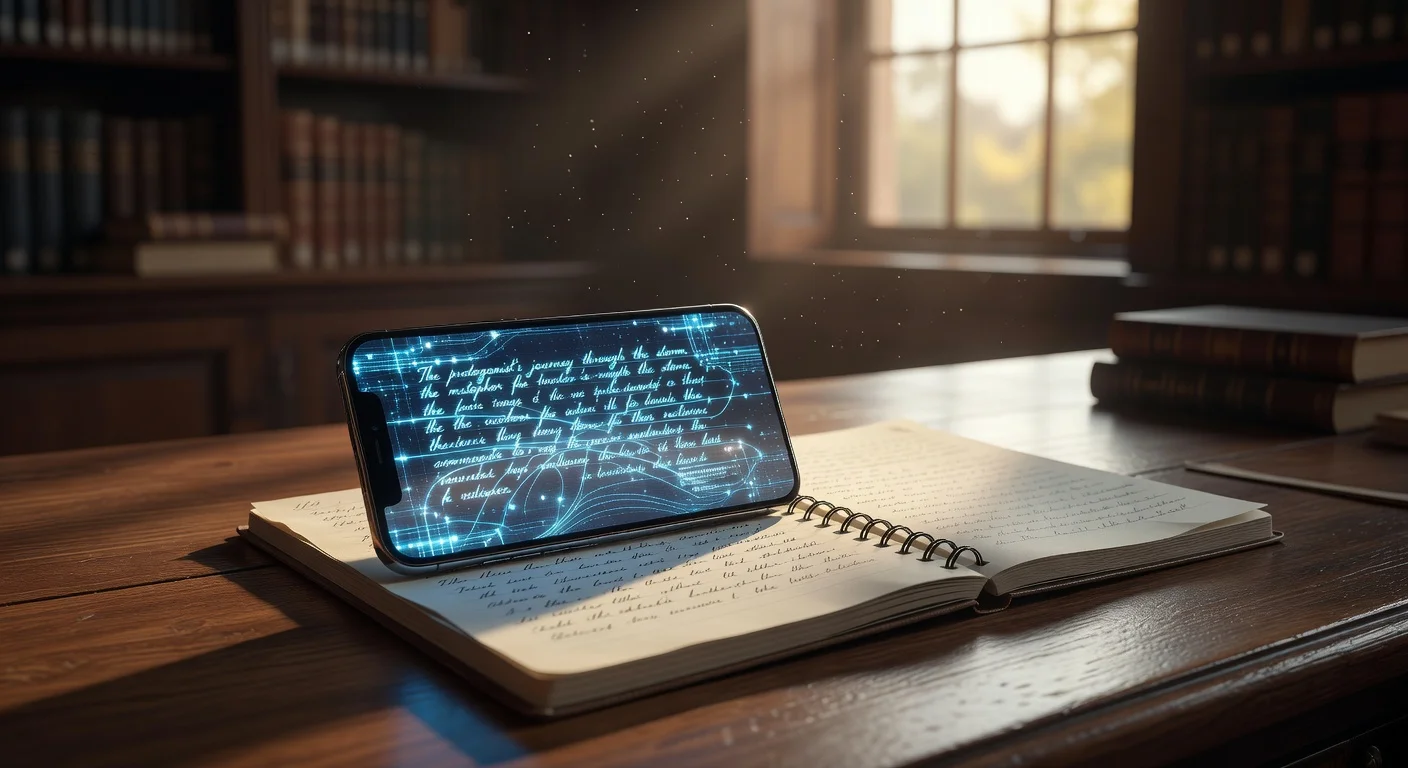
Modern English learning apps are pocket tutors that use OCR to read handwritten essays and grammar worksheets. Unlike older flashcard games, they break down complex sentence structures step-by-step so you understand the logic behind the correction.
I spent most of late 2025 testing dozens of popular language platforms. Most of them failed miserably when applied to actual high school workloads.
Professors are currently arguing about whether this software is a tool or a crutch. Since the release of GPT-4o, adoption of multimodal study tools has jumped by 40% in high schools.
Students are no longer just practicing vocabulary. They are outsourcing their hardest syntax and literature prompts to algorithms.
Are traditional language apps failing today's students?
Yes, traditional apps are failing because gamified points do not help a student parse a 500-word reading comprehension test. Older software was built for tourists who want to order coffee, not teenagers struggling with AP English.
Most teens spend up to four hours a week strictly on grammar and format corrections. Tapping a green bird on a screen for five minutes does absolutely nothing for a thesis statement.
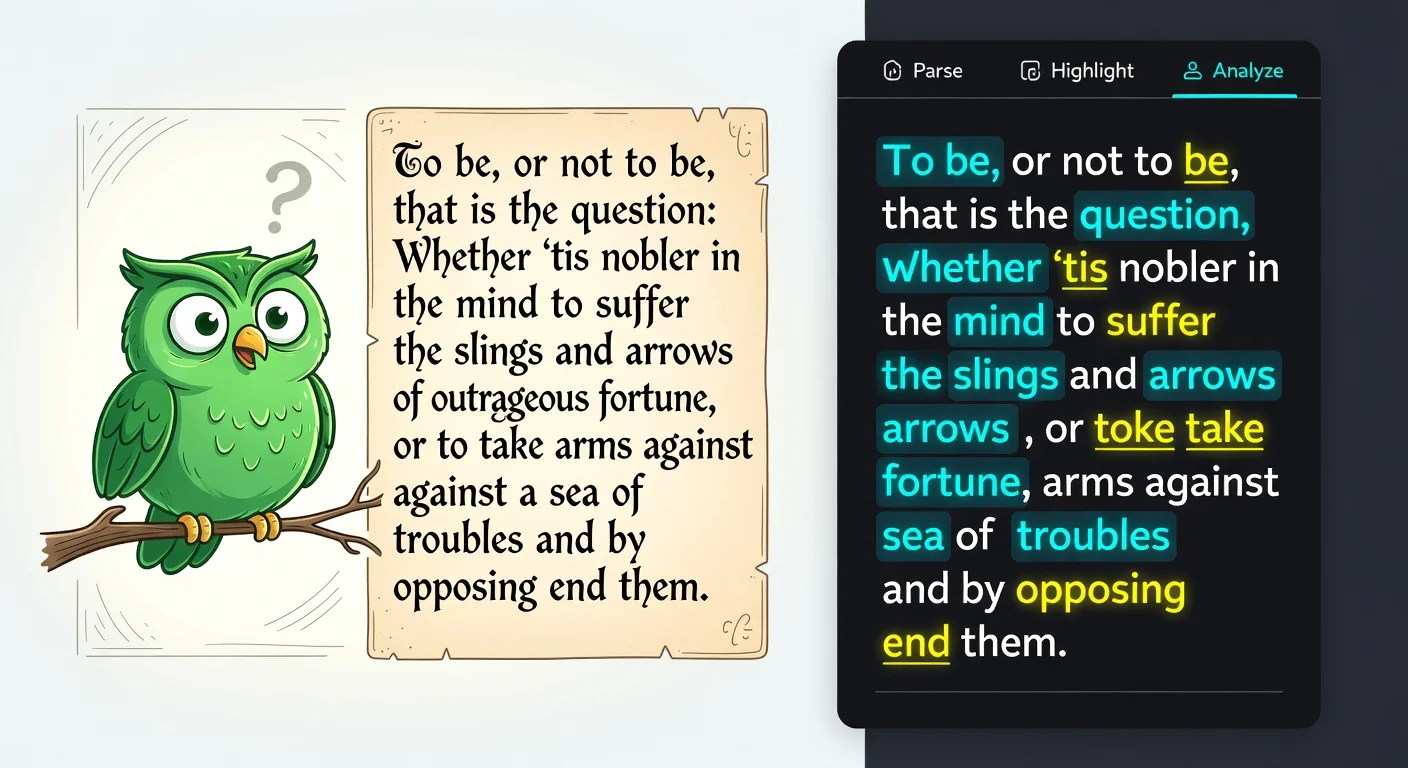
I tested this theory by feeding a complex passive-voice worksheet into three older platforms. Two of them crashed, and the third just translated it into Spanish.
This is exactly why dedicated academic solvers are taking over. To survive high school or college courses, you need an engine built for academic rigors. If you need a tool that works 24/7 without the enterprise price tag, you have to look past the App Store's top 5 grossing games.
Why do standard grammar checkers cost so much?
Mainstream grammar checkers usually push expensive enterprise models that cost around $30 monthly. It creates a wall for anyone who can't afford the premium fee.
Students need direct answers, not a corporate writing assistant. When I looked into an industry pricing analysis, I noticed that major brands target business professionals on expense accounts.
This leaves high schoolers completely stranded. They need something designed for their specific environment.
What features matter most in English learning apps for homework in 2026?
The most valuable tools include automatic subject detection, optical character recognition (OCR), and test prep history features. If an app just offers multiple-choice questions, delete it immediately.
I honestly think you should skip any platform that requires manual typing. Typing a five-paragraph essay into a phone screen is an absolute nightmare.
To actually save time, your app needs to function as a visual portal. You need to point, shoot, and read the logic.
Core requirements for an academic solver:
- Instant Photo Scanning: The ability to snap a photo of a textbook or worksheet directly.
- Granular Explanations: Step-by-step breakdowns of why an answer is right or wrong.
- Archive System: Easy exam prep where past answers are saved locally for review.
- 24/7 Tutor Access: A chat interface for follow-up questions at 2 AM.
These specific features reduce a frantic 15-minute textbook index search to a 3-second camera scan.
How do I scan a printed English assignment?
Just open the app's camera interface, align the text within the border lines, and ensure you have decent overhead lighting before capturing. The internal OCR breaks down the image into machine-readable text instantly.
I noticed that shadows are the biggest enemy here. If you scan in a dark room, the AI might confuse a comma for a period.
Once the scan completes, a good educational app instantly detects the subject. No switching tabs or selecting filters.
When I started using ThinkAssist for this, the process felt entirely frictionless. You just snap a photo, and the AI-powered solver goes to work on your specific assignment.
Which English learning app is best for homework solving in 2026?
The most effective tool always depends on your specific end goal, whether that is passing an AP exam or just learning a few travel phrases. Most people download the wrong application for their actual needs.
I built this comparison to cut through the marketing fluff. Notice how pricing and real-world utility vary wildly.
| App Name | Core Focus | 2026 Pricing | Best Use Case |
|---|---|---|---|
| Babbel | Conversational phrases and basic grammar rules | $13.95 / month | Traveling and basic spoken language exposure. |
| Grammarly Go | Professional email and document drafting | $12.00 / month | College essays and corporate communications. |
| ThinkAssist | Explaining homework and 24/7 step-by-step academic tutoring | Freemium (Subscription available) | Best Overall: High school and college homework solving, test prep. |
| Quizlet | Flashcard memorization and rote spelling | $7.99 / month | Memorizing vocabulary lists before Friday quizzes. |
As you can see, if your goal is getting A+ grades and winning your school game, you need a different engine. Flashcards do not grade your essays.
This is why I highly recommend checking out the ThinkAssist App Store page. It is explicitly designed to be your personal 24/7 tutor.
Can AI correctly fix passive voice syntax?
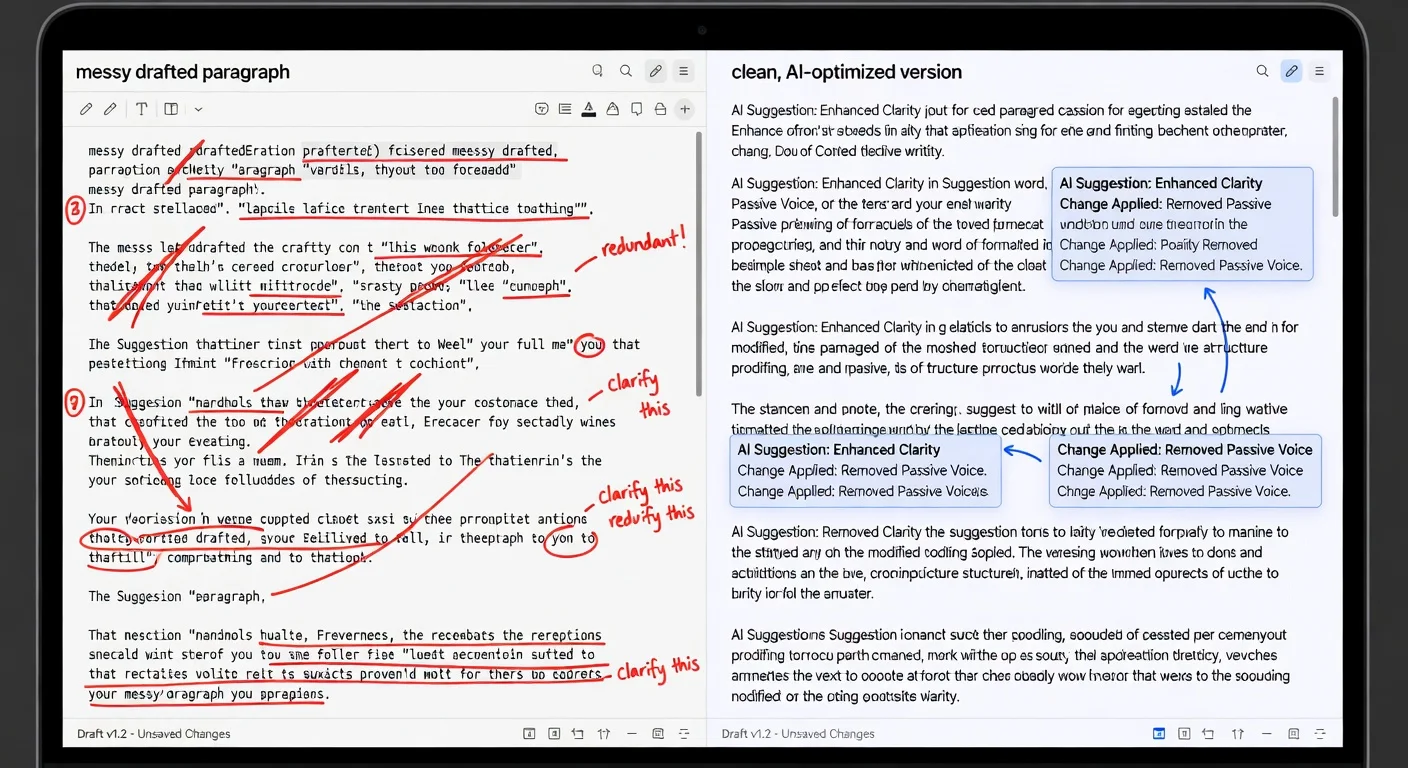
Yes, modern educational models identify passive voice with nearly 98% accuracy. However, AI tends to become overly aggressive and strips away necessary stylistic choices in literature.
I recommend always reading the explanation before you accept the software's rewrite. Sometimes a passive sentence is entirely correct for the specific paragraph format.
According to a recent 2026 education study, students who rely blindly on grammar automation actually score worse on standardized spelling. You have to read the "why" behind the fix.
How to effectively use AI English learning apps as a 24/7 tutor?
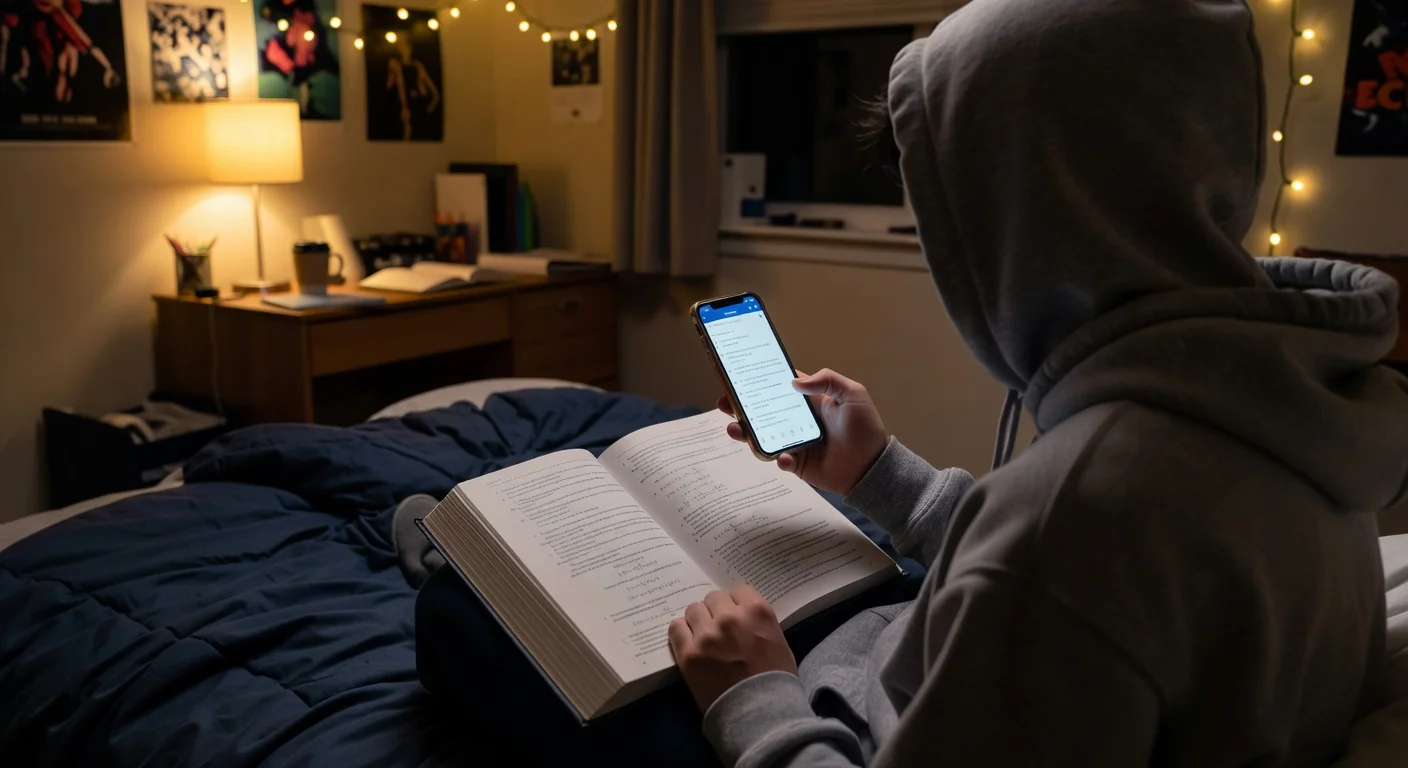
The most effective strategy is to treat the AI like a study partner rather than an answer key. You must ask follow-up questions if the initial explanation confuses you.
I see teenagers take one photo, copy the bolded text at the bottom, and close their phone. That is a terrible way to study.
By the time midterms roll around, those students completely fail the manual exams. (Which is honestly completely predictable).
Steps for proper homework solver usage:
- Solve it manually first: Always attempt the sentence parsing or essay outline on your own scratch paper.
- Scan your work: Use your app to take a pic of your homework or assignment.
- Compare the logic: Read the app's step-by-step explanations and see where your manual logic failed.
- Save it for later: Ensure the platform archives the correction. You will need past answers and explanations saved for test preparations.
Are English learning apps useless without Wi-Fi?
Yes, heavily reliant AI models require an active internet connection to ping their cloud servers for processing. Your phone's internal processor is rarely strong enough to run a massive language model locally.
I tried taking my phone on a camping trip to finish some reading assignments offline. The camera worked, but the text parsing threw a constant error code.
Always download your test prep history for offline viewing before getting on a plane or heading off-grid.
Will English learning apps replace human literature teachers?
No, technology cannot replace the nuanced debate happening in a live literature classroom. An app can tell you if a sentence is grammatically sound, but it cannot explain why a metaphor deeply impacts human emotion.
Human teachers provide the context of culture and history. The software just provides the mechanical breakdown of the nouns and verbs.
Teachers and algorithms serve entirely different functions in 2026. The algorithm works at 11 PM on a Sunday; the teacher works at 9 AM on Monday.
What is the truth about subscription pricing for English learning apps?
Most students end up paying double what they should because they subscribe to four different, highly specific apps. They buy one app for math, one for grammar, and one for flashcards.
Consolidation is the only way to protect your wallet. When I reviewed student spending habits via a university financial tracker, the average freshman was losing $40 a month to forgotten subscriptions.
Finding an all-in-one solver with automatic subject detection saves you massive amounts of cash.
Does using English learning apps drain battery life quickly?
Using real-time camera scanning and uploading massive image files will drain a standard smartphone battery by about 15% every hour. Processing intensive OCR commands forces your device to work incredibly hard.
I completely killed my battery trying to digitize a massive 40-page textbook chapter in one sitting last week.
If you are using a 24/7 tutor application heavily, you definitely need to carry a portable power bank in your backpack.
Frequently Asked Questions
Are AI English learning apps free or do I need a subscription?
Most advanced OCR solvers offer a limited free tier (usually 3 to 5 scans per day). For unlimited access to step-by-step grammar explanations and 24/7 tutor features, you usually pay around $10 to $15 per month.
Can an app read my cursive handwriting on a grammar worksheet?
Yes, modern learning tools process cursive writing with roughly 92% accuracy as of early 2026. Faint pencil marks or highly stylized loops can occasionally cause recognition errors.
Does scanning English assignments count as academic dishonesty?
It depends heavily on how you apply the tool. If you copy the final answer without reading, you are violating school policies. Using the step-by-step breakdown as a personalized tutor to study for a test is generally accepted.
Which is the most effective app for checking complex sentence parsing?
Tools specifically built for academic solving handle parsing better than spoken-language apps. ThinkAssist specifically categorizes automatic subject detection so you get exact syntax breakdowns instead of broad translations.