
The most direct synonyms for procrastination include dillydallying, dawdling, temporizing, stalling, and hesitancy, while psychological terms like task avoidance and executive dysfunction describe its underlying cognitive mechanisms. The right choice depends on context: casual conversation favors words like slacking or dragging your feet, while academic and psychological discussions rely on precise phrases like affective dysregulation or precrastination reversal. Recognizing which specific type of delay you are experiencing makes it much easier to select effective tools, whether that means adjusting your schedule or using an AI-powered study helper to break heavy assignments into manageable steps.
What are the most common everyday synonyms of procrastination?
The most common informal synonyms for procrastination are dawdling, dillydallying, loafing, and stalling. People use these casual verbs when someone postpones tasks without a complex medical or psychological reason.
- Dawdling: Moving sluggishly or taking unnecessary time to complete a simple chore.
- Dillydallying: Wavering indecisively between choices, leading to wasted time.
- Stalling: Intentionally delaying an outcome to buy more time.
- Dragging your feet: Showing deliberate reluctance to start a required project.
In everyday conversation, these terms describe visible behavior rather than emotional distress. If a student spends twenty minutes sharpening pencils instead of studying, parents usually call it dawdling rather than chronic avoidance.

What formal and literary words mean procrastination?
Formal and literary synonyms for procrastination include temporizing, cunctation, tergiversation, and postposition. Writers and legal experts use these words when delay serves as a strategic maneuver or reflects philosophical indecision.
According to the Oxford English Dictionary entry for cunctation, the term originates from the Latin cunctari, meaning to delay or hesitate, famously applied to Roman general Fabius Cunctator.
- Temporizing: Yielding to current circumstances or negotiating for time to postpone a final decision.
- Cunctation: Formal or archaic term for extreme hesitation and intentional delay.
- Tergiversation: Evading a straightforward action or abandoning a firm position through lingering debate.
- Postposition: The act of placing an duty after another item in time or sequence.
These formal terms highlight intent and strategy. Unlike casual slacking, temporizing often carries a political or diplomatic weight where waiting yields a specific tactical advantage.
What psychological terms explain why we procrastinate?
Psychologists classify procrastination using specialized terms like task avoidance, affective dysregulation, executive dysfunction, and behavioral hesitation. These technical expressions focus on emotional coping mechanisms rather than mere poor time management.
The American Psychological Association's research on procrastination notes that task avoidance stems primarily from emotional misregulation rather than a lack of willpower.
- Task avoidance: The conscious or unconscious habit of steering clear of activities that trigger anxiety or self-doubt.
- Affective dysregulation: Inability to manage negative emotions, causing a person to flee to short-term mood relief.
- Executive dysfunction: A disruption in brain processes responsible for planning, prioritizing, and initiating focus.
- Present bias: The cognitive tendency to value immediate rewards over long-term goals.
When students feel overwhelmed by complex assignments, executive dysfunction makes initiating the task feel nearly impossible. Understanding how to organize your workflow or learning how to do homework with structured guidance can disrupt this psychological friction before it triggers avoidance.

Procrastination synonym comparison: Nuances and context
Choosing the right term depends entirely on whether the delay is physical, emotional, or strategic. The table below outlines how common synonyms differ across formal, casual, and psychological contexts as of August 2026.
| Term | Context / Category | Root Driver | Primary Example |
|---|---|---|---|
| Dawdling | Casual / Everyday | Low urgency or lack of interest | Spending an hour organizing highlighters. |
| Temporizing | Formal / Strategic | Risk aversion or diplomatic maneuvering | Delaying a policy vote to gather extra leverage. |
| Task Avoidance | Psychological | Fear of failure or emotional anxiety | Putting off a research paper due to perfectionism. |
| Executive Dysfunction | Cognitive / Neurological | Difficulty initiating or planning steps | Staring at an open document without typing a word. |
| Hesitancy | General / Behavioral | Insecurity or lack of clarity | Pausing before submitting an assignment. |
As shown above, calling every delay "procrastination" misses critical distinctions. If the underlying issue is executive dysfunction caused by a confusing problem, standard time-management advice usually fails because the core barrier is a lack of clarity, not a lack of effort.
Why finding the right synonym helps break the cycle
Identifying the precise type of delay you face allows you to apply targeted solutions instead of generic advice. When you reframe "laziness" as cognitive overload or ambiguous instructions, your focus shifts toward reducing task complexity.
For instance, when students face daunting problem sets, the primary trigger is often fear of getting the first step wrong. Using a dedicated homework app helps bridge that gap by breaking scary problems into clear, bite-sized components.
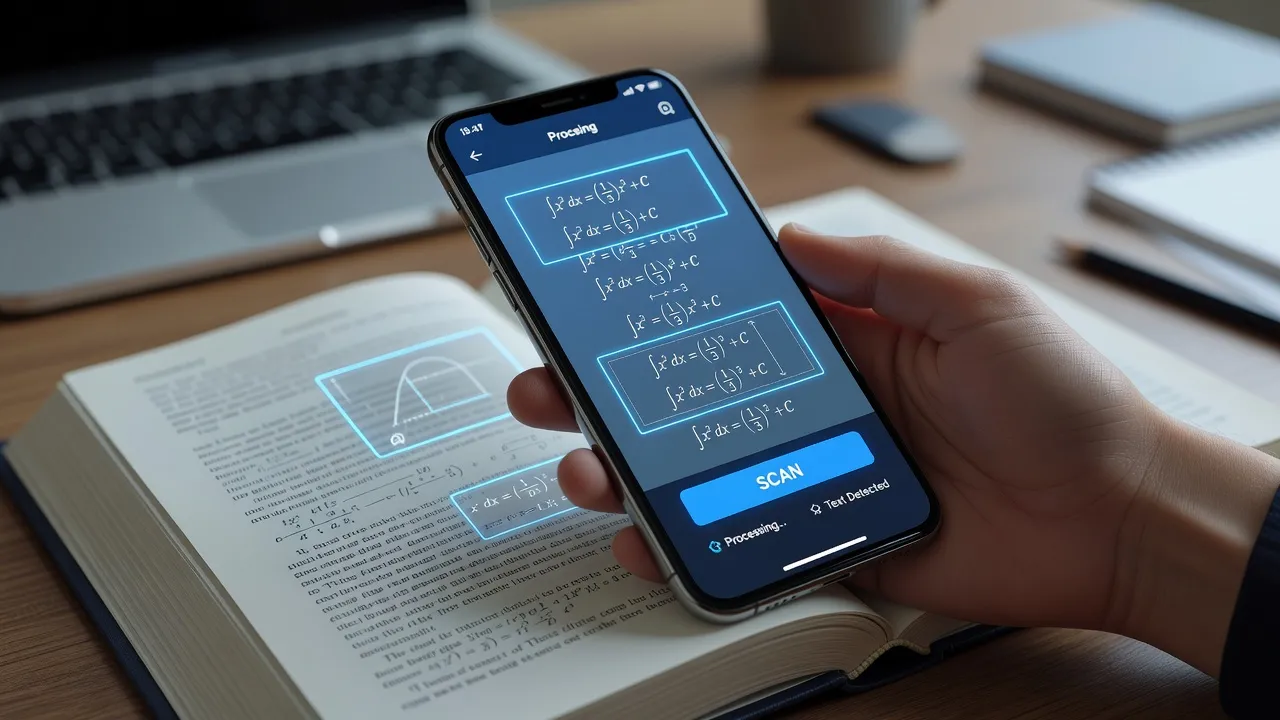
This is where ThinkAssist fits into a modern study routine. By allowing you to snap a photo of any difficult problem, ThinkAssist acts as an AI-powered homework solver that provides automatic subject detection and step-by-step explanations.
Instead of letting task avoidance freeze your progress, having a 24/7 tutor available on the iOS App Store gives you immediate momentum. Converting an intimidating, vague assignment into visible, actionable steps directly eliminates the emotional friction that causes dillydallying in the first place.
Frequently Asked Questions
What is the precise difference between procrastination and dawdling?
Procrastination involves delaying a high-priority task in favor of a less important one, whereas dawdling simply means moving slowly or wasting time on any activity. Procrastination carries an emotional component of active avoidance, while dawdling is usually just aimless delay.
Is task avoidance considered a medical term for procrastination?
Task avoidance is a psychological term used by clinicians to describe the behavior of dodging activities that induce stress or anxiety. While not a standalone medical diagnosis, it is a recognized symptom of executive dysfunction and perfectionism.
What is a formal word for intentional delay?
The word temporizing is a formal synonym for intentionally delaying an action to gain time or await favorable conditions. Another classical term is cunctation, which refers strictly to deliberate, strategic slowness.
Does procrastination always mean laziness?
No, psychological research shows procrastination is caused by emotional dysregulation and task aversion rather than laziness. Most chronic procrastinators want to complete their work but feel blocked by fear of failure, confusion, or overwhelm.
What is the antonym of procrastination?
The main antonyms of procrastination are promptness, alacrity, decisiveness, and precrastination. Precrastination refers specifically to the urge to complete a task immediately, even at the cost of extra effort.
How does snapping a photo of homework help stop procrastination?
Taking a photo of a problem eliminates initiation friction by turning an intimidating task into step-by-step instructions. Breaking complex questions into clear explanations reduces cognitive load and overcomes executive dysfunction.
What is passive procrastination?
Passive procrastination is traditional delay where a person gets paralyzed by indecision and fails to start tasks on time. Active procrastination, by contrast, occurs when someone deliberately delays work to perform better under tight deadlines.