
The primary antonym for procrastination is diligence, though words like alacrity, proaction, and promptness serve as exact opposites depending on whether you mean steady effort, eager speed, or initiating action before a deadline. While procrastination represents the irrational delay of tasks despite expecting negative consequences, its psychological and linguistic true opposites describe the conscious choice to start and maintain work without unnecessary hesitation.
Understanding the opposite of procrastination antonym options requires looking at your specific context. Are you looking for a term that describes mental readiness, relentless work ethic, or the physical speed of starting a project?

What Is the Direct Antonym for Procrastination?
The exact antonym for procrastination depends on whether you are describing a personal character trait, a sudden burst of enthusiasm, or a structured habit. English does not offer a single universal word that mirrors procrastination in every context, which is why writers choose between several precise alternatives.
Is there a single exact word that serves as the opposite of procrastination?
No single dictionary word acts as a perfect 1-to-1 mirror for procrastination across all scenarios. While procrastination combines emotional avoidance, task delay, and cognitive friction, terms like diligence capture the effort side while promptness captures the timing side. If you examine English reference tools like Merriam-Webster, words like alacrity capture the eagerness to act that directly opposes task avoidance.
If you are writing an essay or refining your vocabulary, reviewing related terms in our guide on synonyms of procrastination helps clarify how delay mechanisms function across different writing contexts.
What is the difference between diligence, alacrity, and proaction?
Diligence focuses on sustained, careful effort over time, alacrity emphasizes brisk and cheerful readiness to start, and proaction represents taking initiative before circumstances force your hand. Choosing the right term comes down to identifying which specific part of procrastination you are trying to counter.
- Diligence: The steady perseverance that prevents set-backs from turning into total task abandonment.
- Alacrity: The mental speed and enthusiasm that eliminates the initial hesitation before opening a textbook or starting a report.
- Proaction: The strategic foresight to complete tasks well in advance to prevent emergency stress.
- Promptness: The simple habit of adhering strictly to schedules and timelines.
The Psychological Spectrum: From Procrastination to Precrastination
Psychologists view procrastination not as a character flaw, but as a failure of emotional regulation where immediate comfort is chosen over long-term goals. According to research published by the American Psychological Association, individuals delay tasks to short-circuit negative feelings like anxiety, self-doubt, or boredom.
However, moving completely to the other extreme of the behavioral spectrum brings its own set of psychological challenges.
What is precrastination in cognitive psychology?
Precrastination is the tendency to complete a task as quickly as possible just to clear it from working memory, even if that speed requires extra physical or mental effort. The term was coined in a landmark study highlighted by the Association for Psychological Science, where researchers observed subjects picking up heavy buckets early in a walking path just to cross off an instruction sooner.
In everyday academic life, precrastination looks like rushing through a complex assignment without reading the rubric thoroughly just to stop thinking about it.
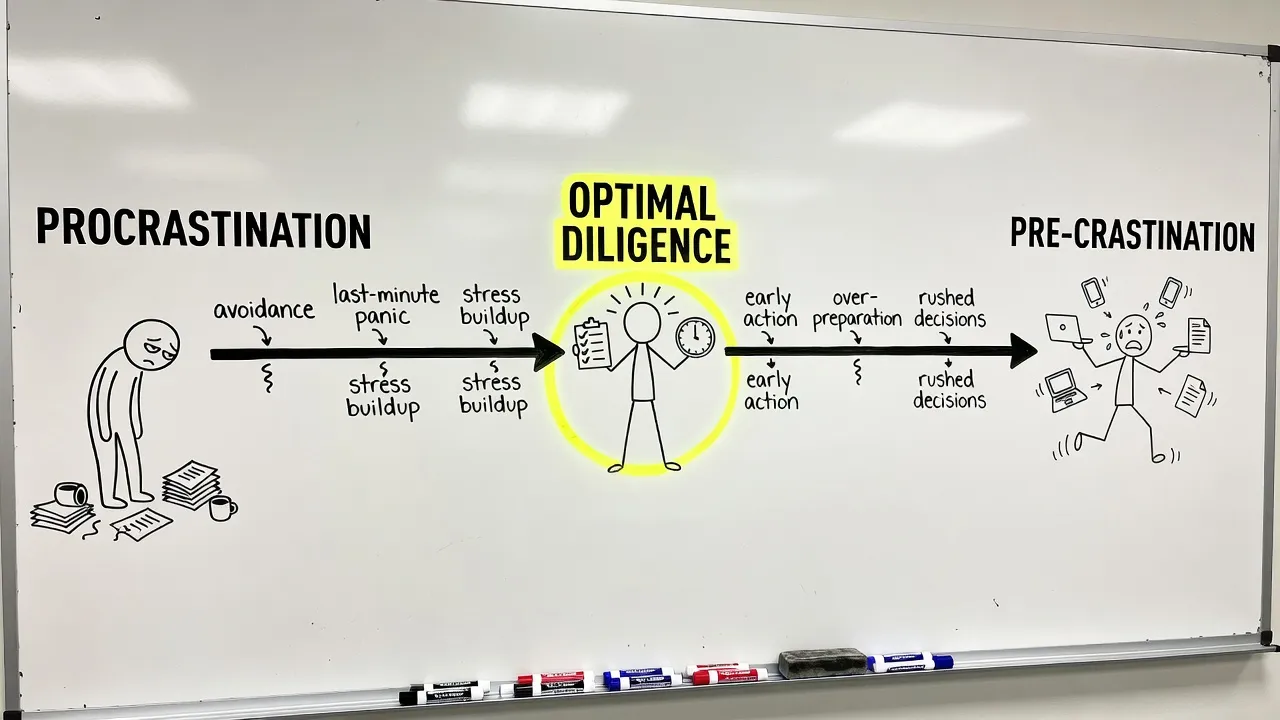
Why is precrastination not always the ideal antonym for procrastination?
Precrastination is often counterproductive because rushing to finish a task early can compromise accuracy and consume unnecessary energy. While procrastination wastes time through delay, precrastination wastes effort through premature execution.
The goal for students and professionals is not frantic early completion, but balanced diligence. You want to eliminate the paralysis of starting without jumping headfirst into careless mistakes.
Comparing the Behavioral Antonyms of Procrastination
The single variable that determines which antonym fits your situation is the root cause of your behavior. The table below breaks down how different terms compare across primary drivers, behavioral expressions, and common drawbacks.
| State / Term | Primary Driver | Core Behavioral Expression | Potential Pitfall |
|---|---|---|---|
| Diligence | Value-driven discipline | Steady, thorough progress toward a goal | Risk of burnout if rest is ignored |
| Alacrity | Enthusiasm and readiness | Immediate, cheerful entry into a task | Energy may fade before long projects finish |
| Precrastination | Anxiety to clear working memory | Finishing tasks early regardless of added effort | Careless errors and wasted physical effort |
| Proaction | Strategic foresight | Preparing resources before deadlines loom | Over-planning without flexible execution |
| Punctuality | Respect for schedules | Arriving and submitting exactly on time | Focuses on clock time rather than task quality |
As of September 2026, researchers studying student performance stress that finding an opposite to procrastination is less about forcing speed and more about reducing friction at the moment of initiation.
Why Finding the Opposite to Procrastination Matters for Productivity
Identifying the right term matters because overcoming task avoidance requires matching your solution to the specific point where your workflow breaks down. If your main issue is staring at a blank page, you need tools that generate alacrity and quick momentum. If your issue is abandoning projects halfway through, you need systems that support sustained diligence.
How does task friction trigger delayed execution?
Task friction occurs when the perceived difficulty or cognitive load of starting an assignment exceeds your immediate motivation. When facing complex academic topics, students often default to irrational delay because the brain views the unknown assignment steps as a threat to personal comfort.
Philosophers historically referred to this disconnect between intent and action as akrasia, a state of acting against one's better judgment documented extensively in sources like the Wikipedia entry on Akrasia.
To combat this friction, students often benefit from structured frameworks such as:
- Micro-tasking: Breaking a ten-page essay into five-minute outline steps.
- Timeboxing: Setting an explicit timer to work without distractions before taking a scheduled study break.
- External scaffolding: Using automated tools or tutors to clarify confusing concepts before frustration sets in.
How do tailored study tools break the barrier to action?
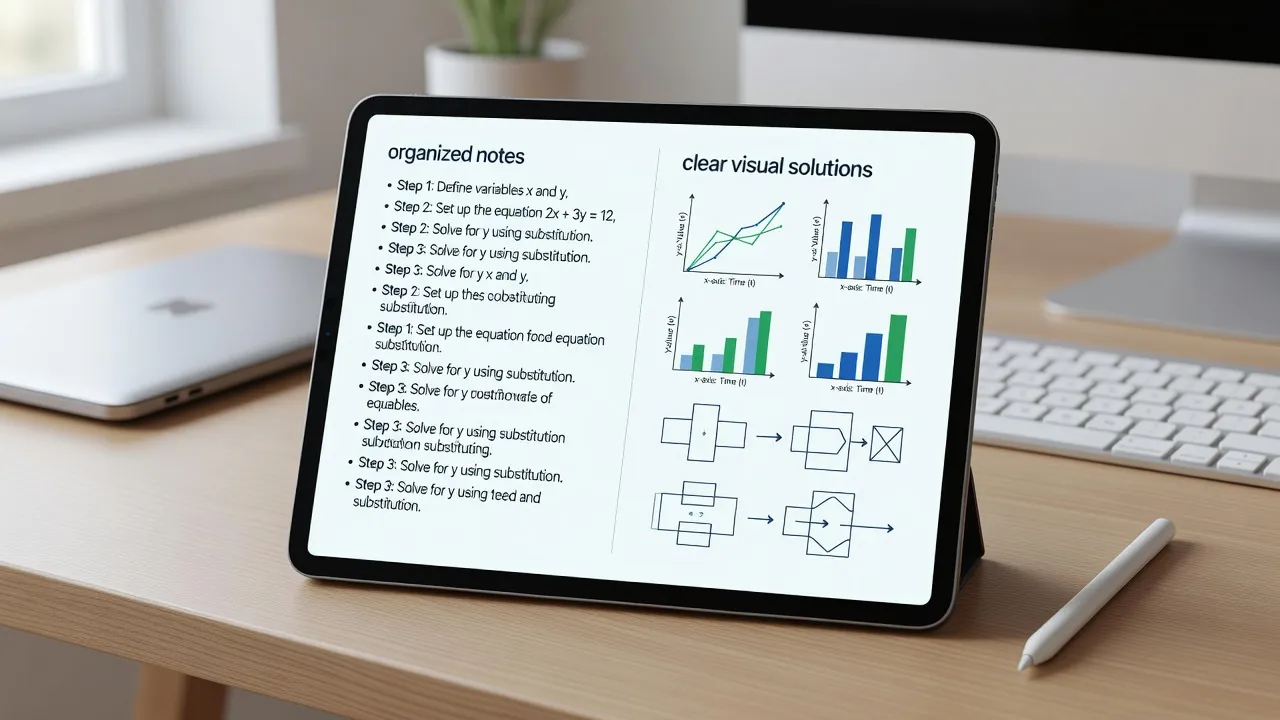
Educational assistance tools lower activation energy by turning vague, overwhelming problems into manageable step-by-step actions. When students get stuck on difficult STEM problems or complex formatting rules, hesitation quickly turns into multi-hour delays.
For students managing high course loads or dealing with executive function challenges, applying specialized adhd study skills alongside modern tools creates the immediate clarity needed to start working right away.
The Role of Real-Time Assistance in Cultivating Promptness
Achieving consistent action requires systems that eliminate the ambiguity that causes delay in the first place. While willpower alone often fails under heavy workloads, having a reliable source of instant academic guidance helps turn theoretical intent into active completion.
How does ThinkAssist convert delay into immediate momentum?
The ThinkAssist mobile app targets academic procrastination at its source by providing instant, 24/7 step-by-step problem explanations that eliminate study hesitation. Instead of sitting idle over a tough math problem or complex science concept for hours, you can simply snap a photo of your assignment to receive immediate, structured guidance.
By combining automatic subject detection with clear logical breakdowns, ThinkAssist acts as an always-available personal tutor. The platform ensures you do not waste time deciphering confusing problem statements, allowing you to transition straight from hesitation to active learning.
Reducing Academic Friction
Without ThinkAssist:
- Unclear homework problem creates high cognitive friction
- High cognitive friction leads to procrastination
With ThinkAssist:
- Snap photo with ThinkAssist produces step-by-step breakdown
- Step-by-step breakdown leads to immediate action
I'd argue that the fastest way to build steady diligence is to eliminate every technical barrier between opening your books and solving the first problem. For students preparing for major exams, ThinkAssist on the App Store automatically saves past answers and explanations, allowing you to review your problem history during test preparation without managing messy binder notes.
When you replace the anxiety of being stuck with instant feedback, promptness becomes a natural habit rather than a daily struggle.
Frequently Asked Questions
What is the absolute best antonym for procrastination?
Diligence is widely considered the best overall antonym for procrastination because it describes sustained, careful effort that directly counters intentional task delay.
What is the difference between precrastination and diligence?
Diligence is steady, thoughtful effort focused on quality results, whereas precrastination is the impulsive urge to complete tasks immediately to remove them from your mental to-do list, even if rushing harms quality.
What is a formal noun opposite of procrastination?
Alacrity and promptness are formal nouns that serve as direct opposites, describing energetic readiness and strict adherence to timelines respectively.
Is proaction a real word opposite to procrastination?
Yes, proaction is a recognized term meaning taking deliberate action in advance of a future situation, which directly reverses the habit of waiting until the last minute.
Why do psychologists study precrastination?
Psychologists study precrastination to understand how the human brain manages working memory, revealing that people often prefer extra physical effort over mental load.
Can AI homework tools help prevent procrastination?
Yes, AI tools reduce task friction by instantly breaking down complex problems into clear, readable steps so students do not get stuck and delay their work.
What is the verb opposite of procrastinate?
The verbs expedite, execute, or initiate serve as exact opposites to the action of procrastinating on a task.