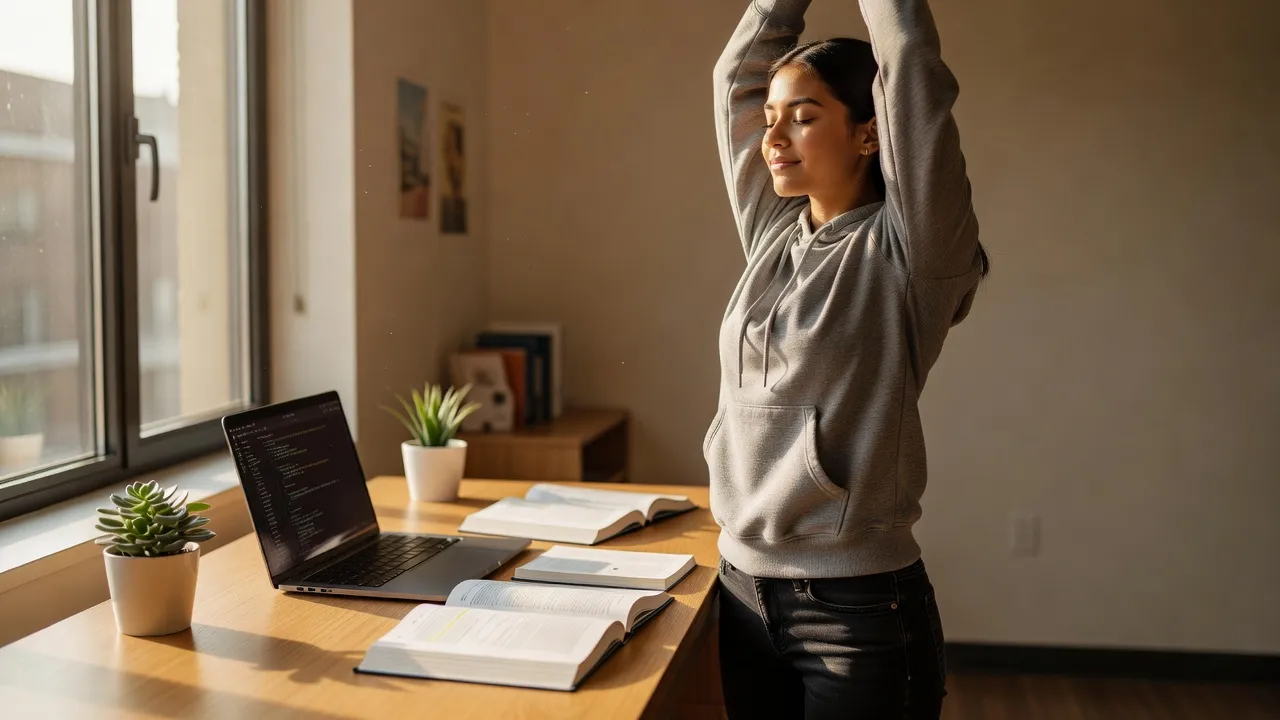
A effective study break is a 5- to 15-minute scheduled pause that removes cognitive strain, increases dopamine without triggering brain fog, and restores depleted mental energy. Research from Cornell Learning Strategies Center shows that taking brief, structured breaks during long sessions prevents mental fatigue and keeps memory retention high. Taking the right kind of pause keeps your momentum going rather than derailing your entire study block.
If you spend your pauses scrolling social media, you are not actually resting your brain. High-dopamine inputs like short-form video feeds overload your working memory and make returning to hard problems exhausting. Grounding your rest periods in physical movement, eye relaxation, or fast cognitive resets yields far better results.
Using a reliable study helper like ThinkAssist can also prevent you from spending your study break stressed over an unsolved problem. Instead of staring blankly at a complex equation during your downtime, you can snap a photo, get a step-by-step explanation, and step away knowing your next step is clear.
Here is a comparison of the top seven study break activities, ranked by ease of setup, energy restored, and risk of accidental procrastination.
| Study Break Method | Best For | Typical Duration | Procrastination Risk | Primary Benefit |
|---|---|---|---|---|
| ThinkAssist AI Stuck-Buster | Clearing problem blocks | 3 - 5 mins | Low | Solves roadblock so break is stress-free |
| 10-Minute Micro-Walk | Physical energy reboot | 10 - 15 mins | Low | Increases blood flow and visual flow |
| 20-20-20 Ocular Reset | Digital eye strain | 2 - 5 mins | Very Low | Relieves ciliary eye muscle fatigue |
| Non-Sleep Deep Rest (NSDR) | High brain fatigue | 10 - 20 mins | Medium | Restores focus without sleep inertia |
| Low-Dopamine Chore Burst | Physical resetting | 5 - 10 mins | Low | Gives a quick win without screen draw |
| Hydration & Protein Snack | Mid-session crashes | 5 - 10 mins | Low | Stabilizes blood glucose levels |
| Mindful Box Breathing | Exam anxiety & stress | 3 - 5 mins | Very Low | Lowers heart rate and cortisol levels |
1. The ThinkAssist AI Stuck-Buster Break
The AI Stuck-Buster break involves using an app to clear a homework block right before taking your rest period. Staring at a single geometry problem for 30 minutes burns energy without making progress. If you get stuck right before a scheduled break, you tend to spend your entire pause worrying about the problem.
Why it made the list: ThinkAssist lets you snap a photo of your assignment or test prep question and receive step-by-step solutions instantly. By uploading the problem right as your timer goes off, the app automatically detects the subject and breaks down the logic while you step away. You can go eat a snack or stretch without the dark cloud of an unsolved problem hanging over your head.
Key trade-off: Relying on tech during a break requires discipline to close the phone immediately after checking the solution breakdown, so you do not get sucked into other mobile apps.

2. The 10-Minute Outdoor Micro-Walk
A micro-walk is a short, brisk 10-minute walk outside or around your living space without looking at a phone screen. Moving your body in open environments forces your eyes to adjust to visual flow, which signals to the nervous system that you are out of focus mode.
Why it made the list: Physical movement boosts cardiovascular circulation, delivering fresh oxygen and glucose to the prefrontal cortex. A review published by the National Institutes of Health indicates that acute bouts of light aerobic exercise improve cognitive function and working memory storage. Walking outside is one of the fastest ways to clear brain fog.
Key trade-off: Bad weather or living in a multi-story apartment building can make getting outside in under 60 seconds difficult.
3. The 20-20-20 Ocular Reset
The 20-20-20 ocular reset requires staring at an object 20 feet away for 20 seconds every 20 minutes. Modern studying usually involves staring at backlit laptops or tablet screens for hours, which causes ocular muscle fatigue and headache symptoms.
Why it made the list: Your eye muscles strain when focusing on near targets like books or computer screens. Looking into the far distance forces those muscles to relax completely. It costs nothing, takes less than a minute, and prevents the eye fatigue that makes late-night study sessions unbearable.
Key trade-off: It does not elevate your heart rate or provide physical movement, so you still need longer movement breaks throughout the day.
4. Non-Sleep Deep Rest (NSDR) or Guided Relaxation
NSDR is a 10- to 20-minute audio-guided protocol designed to slow down brainwave frequency without entering full sleep. Unlike a standard nap, which can leave you feeling groggy from sleep inertia, NSDR keeps your mind on the border of conscious awareness.
Why it made the list: It provides similar cognitive recovery benefits to a full 90-minute sleep cycle in a fraction of the time. If you have been studying complex topics for three hours straight, a 15-minute NSDR script resets your focus capacity so you can jump back into reading without feeling drained.
Key trade-off: If you are severely sleep-deprived, you might accidentally fall asleep past your alarm timer.
5. The Low-Dopamine Chore Burst
A low-dopamine chore burst is a 5-minute activity where you complete a simple physical task like folding laundry or emptying the dishwasher.
Why it made the list: Doing a simple physical task creates a sense of completion without overstimulating your brain. Because folding shirts does not demand working memory, your brain enters a background processing mode. This default mode network is often where lightbulb moments happen for hard essay prompts or tricky math logic.
Key trade-off: It can easily turn into productive procrastination if you start cleaning the entire house instead of returning to your study desk. Check our guide on synonyms of procrastination to identify when household tasks are hiding study avoidance.
6. Hydration & High-Protein Fuel Station
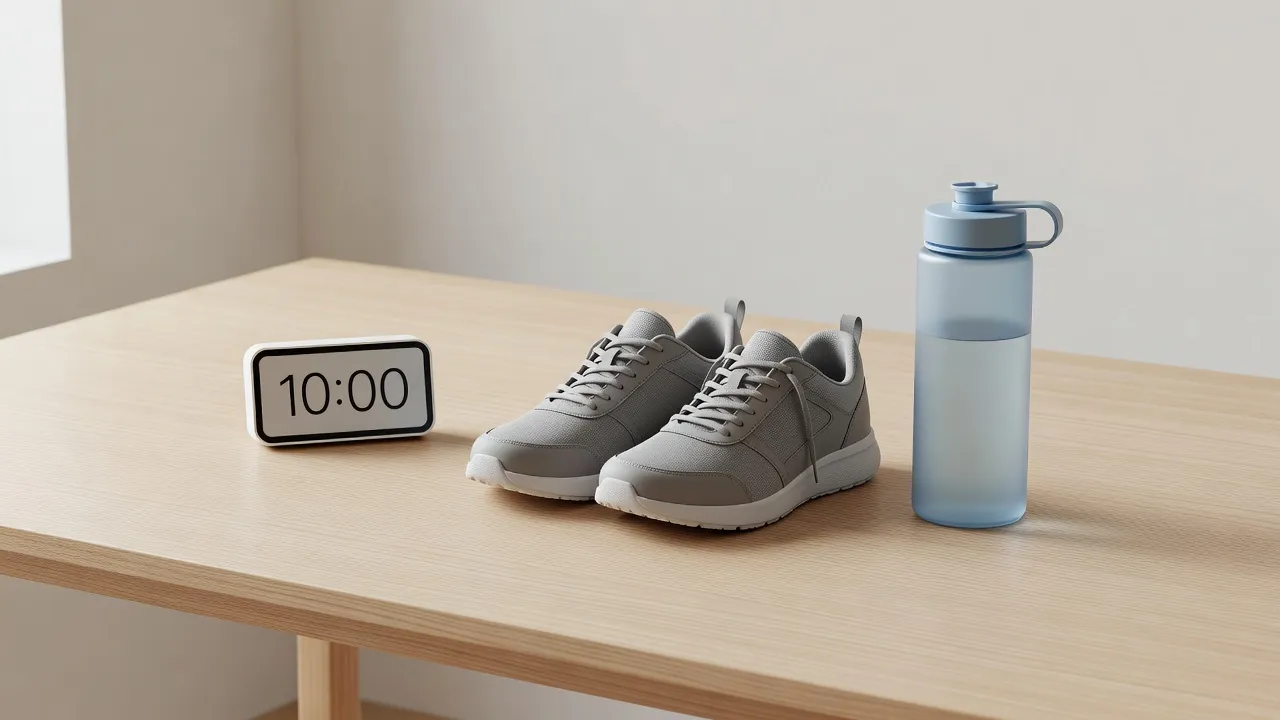
This break focuses on drinking 16 ounces of cold water and eating a small snack high in protein or healthy fats. Skipping water or grabbing high-sugar candy bars creates energy spikes followed by fast blood sugar crashes.
Why it made the list: Dehydration reduces concentration levels and slows mental processing speeds. Pairing water with handfuls of almonds, Greek yogurt, or boiled eggs supplies steady amino acids that support neurotransmitter production.
Key trade-off: Eating heavy meals or high-carbohydrate snacks like chips or pastries during a break causes digestion-related drowsiness.
7. Mindful Box Breathing
Box breathing is a 4-step respiration technique where you inhale for 4 seconds, hold for 4 seconds, exhale for 4 seconds, and hold for 4 seconds.
Why it made the list: When facing intense test pressure or difficult homework sets, your body enters a mild fight-or-flight response, which is why pairing this technique with testing encouragement strategies can further ease exam stress. Deep rhythmic breathing activates the parasympathetic nervous system, lowering your heart rate within two minutes. Harvard Health Publishing notes that controlled deep breathing effectively reduces physiological stress markers.
Key trade-off: It does not supply physical energy if your main issue is exhaustion rather than stress.
How Long Should a Study Break Be?
The optimal study break lasts between 5 and 15 minutes for every 25 to 50 minutes of focused academic work. The ideal duration depends entirely on the study framework you select for your session. A good study tracker app can help you stay consistent with whichever framework you choose.
- The Pomodoro Standard (25/5): 25 minutes of work followed by a 5-minute break. This structure works best for routine tasks like flashcards or quick problem sets.
- The 50/10 Rule: 50 minutes of intense focus paired with a 10-minute break. I recommend this block length for complex essay writing or advanced science problem sets where getting into flow takes longer.
- The 90-Minute Ultradian Rhythm: 90 minutes of maximum focus followed by a 20- to 30-minute complete rest period. This matches natural human brainwave cycles but requires high mental endurance.
If you are wondering how to do homework efficiently over long weekends, alternating two 50-minute blocks with short 10-minute active breaks maintains speed without causing burnout.
What Should You Avoid Doing on a Study Break?
You should avoid high-dopamine digital activities, social media scrolling, video games, and intense emotional conversations during a study break. These activities hijack your brain's reward centers, making academic topics feel dry and boring when you return to your desk.
| Poor Break Choices (Causes Attentional Bias) | Optimal Break Choices (Restores Attentional Power) |
|---|---|
| Short-form video scrolling | 10-minute micro-walks |
| Competitive video games | Hydration + protein snacks |
| Checking stressful emails | 20-20-20 eye focus reset |
| Reading political news | Guided NSDR audio sessions |
Why is scrolling TikTok or Instagram bad for a study break?
Scrolling social media exposes your brain to dozens of novel visual inputs every minute. This triggers continuous dopamine spikes that exhaust your cognitive capacity. When you sit back down to read a textbook after scrolling short videos, your brain experiences an abrupt dopamine drop, making it almost impossible to concentrate.
Why shouldn't you play fast-paced video games?
Fast-paced competitive games trigger adrenaline spikes and rapid visual processing. Your brain treats the video game like an intense focus task rather than a recovery period. You return to your books with tired eyes and depleted working memory.
How Can AI Tools Keep Your Breaks on Schedule?
AI tools keep your breaks on schedule by preventing you from getting stuck on single homework problems for hours. As of August 2026, students lose an average of 20 to 30 minutes per study session simply staring at questions they do not know how to start. This leads to frustrated, unplanned breaks that break momentum.
Using an app like ThinkAssist helps streamline your study routine:
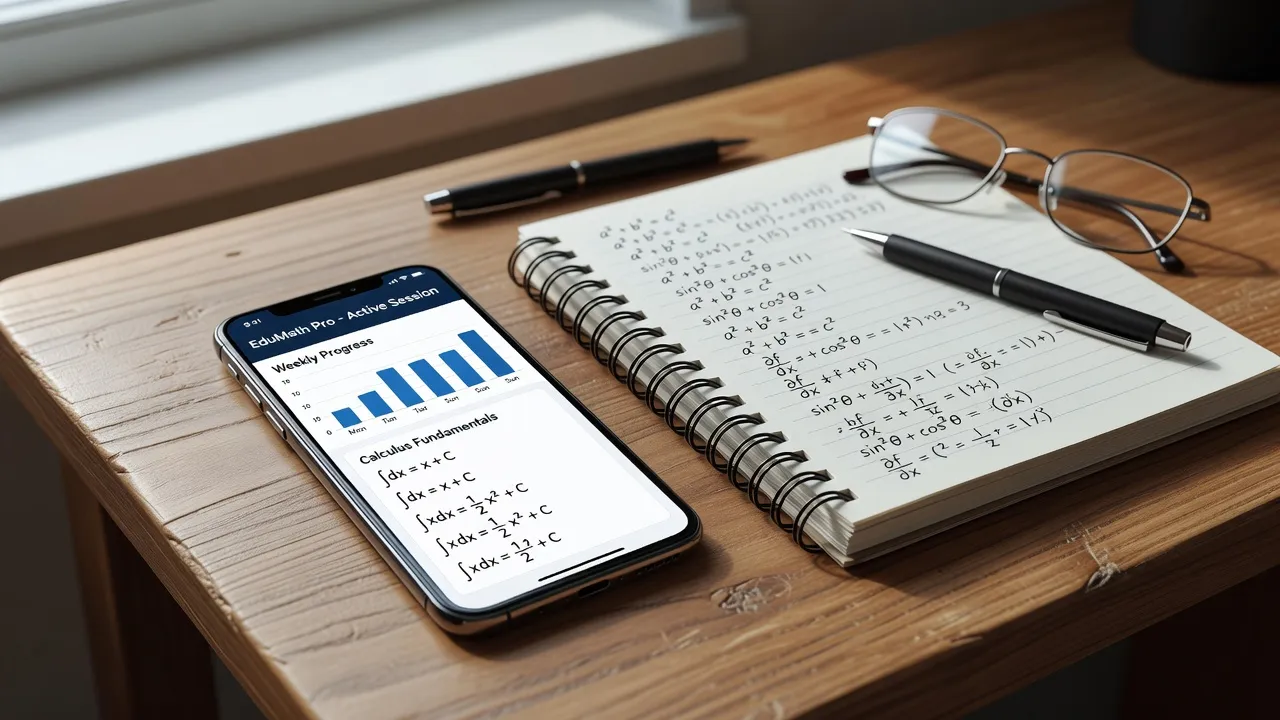
- Automatic Subject Detection: You do not need to spend time configuring formulas or search keywords. Just snap a clear picture of your problem.
- Step-by-Step Explanations: The AI breaks down complex homework problems into digestible steps, teaching you the underlying concepts.
- Exam Prep Storage: All solved questions and step-by-step logic are automatically saved for quick test review sessions later.
By resolving confusing steps quickly, you can hit your natural break times feeling accomplished rather than defeated.
Frequently Asked Questions
What is the best study break interval for long study sessions?
The 50/10 interval works best for long study sessions because it gives your brain enough continuous time to reach deep focus while offering a full 10-minute rest to physically recover.
Should I stay at my desk during a study break?
No, you should physically leave your study desk during a break to signal to your brain that the work period has ended. Changing your environment helps clear working memory.
Is taking a nap a good study break?
A short power nap lasting 10 to 20 minutes is effective, but naps longer than 30 minutes cause sleep inertia, leaving you feeling groggy for hours.
How do I stop my study break from becoming a long procrastination session?
Set a physical countdown timer before leaving your desk, choose low-dopamine activities like stretching or walking, and keep your phone out of reach during the break.
Does listening to music count as a effective study break?
Listening to instrumental or relaxing music with your eyes closed counts as a great break, provided you are not watching music videos or checking social media feeds simultaneously.
What should I do if I am still tired after a study break?
If you remain exhausted after a rest break, switch to a lighter task like organizing notes, drink cold water, or do brief physical exercise to raise your heart rate.