
Academic skills are the core cognitive and practical competencies - including critical thinking, analytical reading, structured writing, and time management - that enable students to process, retain, and apply complex information. Unlike simple rote memorization, these foundational abilities determine how efficiently learners master new subject matter across high school, college, and postgraduate environments. Developing these capabilities transitions a student from passive listening to active, independent study.
While many students rely on late-night cramming, building structured academic habits creates predictable educational success. Integrating modern digital learning tools like ThinkAssist can also accelerate problem-solving when students hit complex homework roadblocks.
What are the core categories of academic skills?
The four main categories of academic skills are cognitive processing, information management, academic communication, and self-regulation. Each category addresses a distinct phase of learning, from initial content comprehension to final exam execution.
What is cognitive processing in learning?
Cognitive processing skills are the specific mental strategies used to analyze, synthesize, and evaluate complex information. These skills move beyond memorizing raw facts to understanding the underlying mechanics of a subject, such as analyzing historical source bias or solving math inequality word problems.
Students with strong cognitive skills do not just remember equations or dates. They spot patterns, identify logical fallacies, and transfer knowledge from one assignment to another.
How does information management impact study efficiency?
Information management improves study efficiency by helping students organize research, filter irrelevant details, and structure lecture notes for fast retrieval. Without an intentional note-taking system, students waste hours reviewing messy outlines before exams.
According to research guidelines published by the Purdue Online Writing Lab, systematic source evaluation and note organization prevent information overload during large research tasks. Knowing where your reference material lives keeps your focus on analysis rather than searching for lost documents.
What are academic communication skills?
Academic communication skills encompass structured argument construction, formal scholarly writing, and clear verbal presentation of technical ideas. Writing a clear thesis statement, organizing paragraphs logically, and citing evidence correctly are fundamental requirements across almost every discipline.
Communicating effectively requires adapting your tone for specific academic audiences. Whether you are drafting a chemistry lab report or a literature review, clarity and precision always trump decorative vocabulary.
Why do traditional study habits fail without structured academic skills?
Traditional study habits like passive re-reading fail because they create an illusion of mastery without forming long-term memory pathways. When you read a textbook chapter three times in a row, the material feels familiar, but your brain has not engaged in the heavy lifting required to recall that data during a test.
A report on cognitive learning principles by the American Psychological Association confirms that passive study techniques produce significantly weaker long-term retention compared to active retrieval practice.
Here is why unstructured study methods break down under pressure:
- Passive re-reading: Leaves information in short-term memory without building durable neural connections.
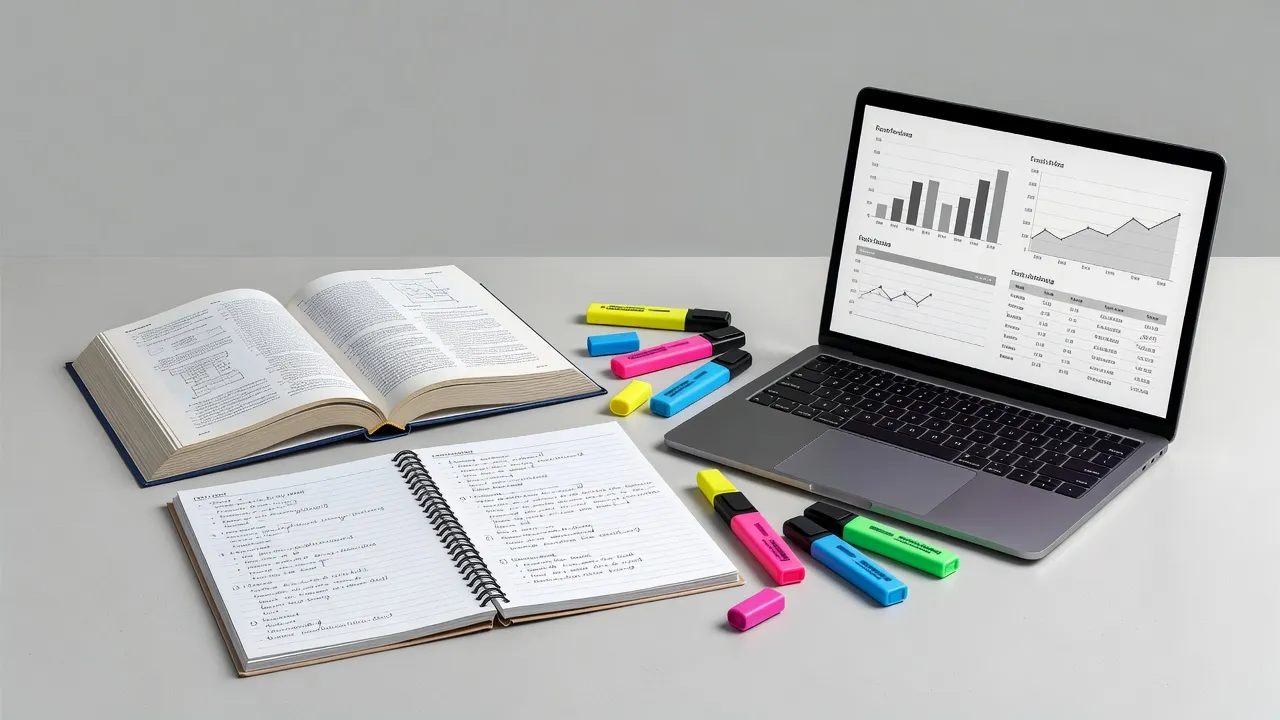
- Unstructured highlighting: Colors the page without forcing you to summarize key concepts in your own words.
- Cramming before exams: Increases stress hormones, leading to cognitive fatigue and panic during test situations.
Building structured workflow habits provides an effective antonym for procrastination in your daily routine. Replacing passive reading with self-testing makes your study hours far more productive.
What single variable determines academic performance for most students?
The single variable that determines academic performance for most students is active self-testing versus passive reading. The difference between average grades and top performance rarely comes down to raw intelligence; it depends on whether a student tests their own knowledge during study sessions.
Students who actively quiz themselves discover exact knowledge gaps immediately. Passive readers only discover what they do not know when taking a graded exam.
How does metacognition drive active learning?
Metacognition drives active learning by forcing students to monitor their own understanding and identify exact knowledge gaps during study sessions. Instead of assuming you know a topic, metacognitive self-questions force you to verify your understanding step by step.
Ask yourself these three questions while studying:
- Can I explain this concept to a classmate without looking at my notes?
- Where exactly does my step-by-step logic break down when solving this problem?
- Why is this specific answer correct while the alternative options are incorrect?
What role do strategic study breaks play?
Strategic study breaks protect cognitive focus by allowing the brain time to consolidate short-term memories into long-term retention. Uninterrupted three-hour study sessions lead to diminishing returns as mental fatigue sets in.
Integrating structured study break ideas - such as a 10-minute walk or physical stretch between 45-minute study blocks - restores attention spans and improves problem-solving speed.

How have digital tools transformed academic skill development?
Digital tools have transformed academic skill development by providing real-time problem diagnostics and instant step-by-step guidance. Historically, if you got stuck on step three of a complex calculus problem on a Friday evening, you had to wait until Monday morning office hours for help.
Educational resource benchmarks published by Khan Academy emphasize how interactive feedback loops accelerate subject mastery compared to static print worksheets. Modern tools bridge the gap between classroom lectures and independent study at home.
I recommend using digital aids as interactive tutors rather than shortcut answer keys. When software shows you the step-by-step resolution of a tough question, you can analyze the underlying logic and apply that strategy to your next assignment.
What are the best tools for mastering complex coursework?
The best tool for mastering complex coursework depends on whether a student needs human mentorship, fact memorization, or instant step-by-step homework breakdowns. Matching the right tool to your specific learning roadblock prevents wasted study time.
As of September 2026, students can select from several distinct study models. The key is picking a tool that fits your schedule, budget, and specific academic discipline.
| Learning Support Model | Feedback Speed | Core Strength | Ideal Use Case | Pricing Model |
|---|---|---|---|---|
| Traditional Private Tutoring | Scheduled (1-2 days delay) | Personalized human interaction and customized pacing | Long-term remedial coaching in specialized subjects | $40-$100+/hour |
| Static Quiz & Flashcard Apps | Immediate | Fact recall and key term memorization | Vocabulary drills and standardized test facts | Free to $15/month |
| ThinkAssist AI Tutor | Immediate | Instant photo scanning with step-by-step breakdowns and saved exam prep | Real-time homework problem breakdowns and test preparation | Free download; $6.99/wk after 3-day trial |
| Search Engines & Video Forums | Variable (5-15 minutes) | Broad library of static video explanations | Broad topic overviews and conceptual background | Free with advertisements |
How does ThinkAssist support core academic skill development?
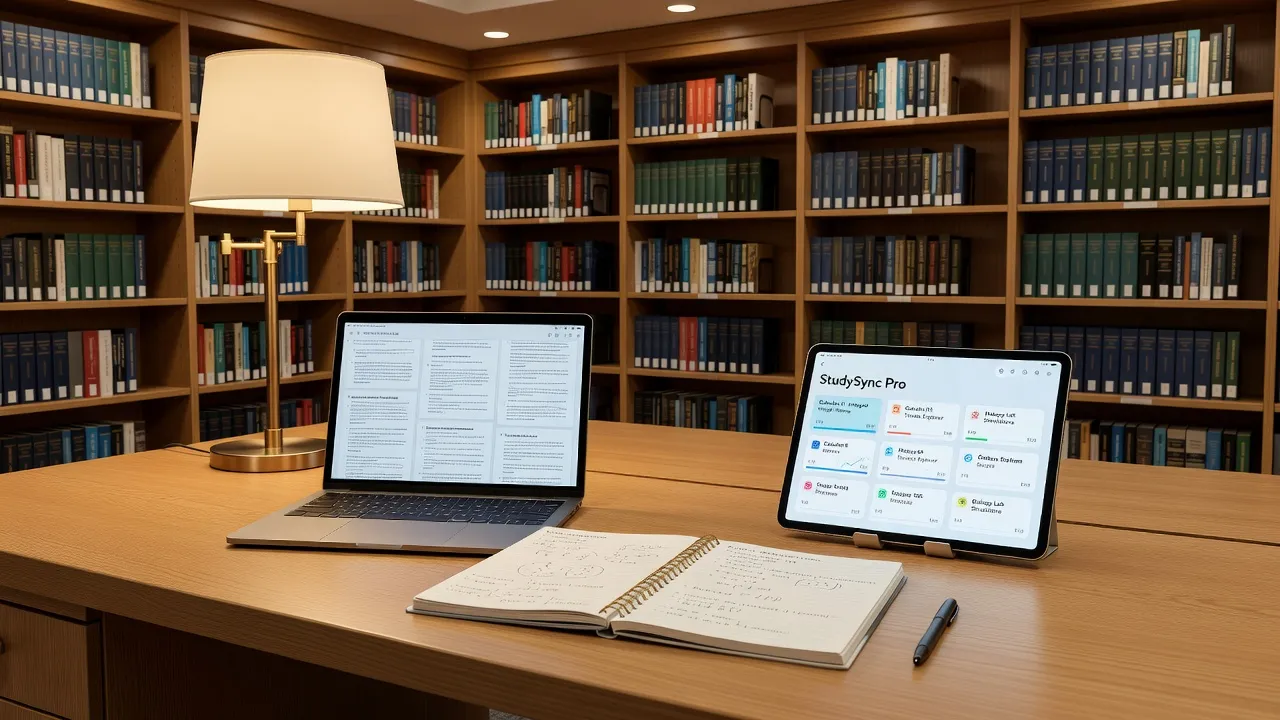
ThinkAssist supports academic skill development by functioning as an AI-powered tutor that breaks down complex homework assignments into clear, logical steps. Available as a free download, it acts as a 24/7 personal tutor that helps you work through difficult problems whenever you get stuck.
The tool focuses on practical homework challenges through three main capabilities:
- Snap a Photo: Take a picture of any textbook problem, test question, or handwritten equation to begin.
- Get Step-by-Step Explanations: Review detailed solutions that explain the reasoning behind each step, reinforcing actual subject comprehension.
- Easy Exam Prep: Store past answers and generated explanations automatically so you can review troublesome concepts before midterms or final exams.
Downloading the application on the Apple App Store includes a 3-day free trial, followed by a flexible $6.99/week subscription. In my view, using an instant breakdown tool while working through assignments prevents frustration and keeps your momentum moving forward. You can also pair technical problem-solving support with actionable writing tips when working on research essays.
Frequently Asked Questions
What are academic skills?
Academic skills are the practical and mental capabilities required to succeed in educational environments, including critical thinking, analytical reading, structured writing, note-taking, and time management.
What are the 4 main types of academic skills?
The four primary categories are cognitive processing skills, information management skills, academic communication skills, and self-regulation or study management skills.
Why are academic skills important for college students?
College courses require independent learning, heavy reading loads, and critical analysis. Strong academic skills allow students to manage high course volumes efficiently without suffering academic burnout.
How can I improve my academic writing skills?
Focus on constructing clear thesis statements, outlining essays before writing, backing every claim with cited evidence, and revising drafts specifically for clarity and logical transitions.
What is the difference between academic skills and soft skills?
Academic skills focus on processing, analyzing, and presenting educational content, whereas soft skills involve interpersonal communication, emotional intelligence, teamwork, and personal adaptability.
Can AI tools help build genuine academic skills?
Yes, when used to view step-by-step logic and check your work. AI tools help build academic skills by providing immediate feedback and clarifying complex procedural steps when self-studying.
How does time management affect academic performance?
Effective time management prevents last-minute cramming, lowers exam stress, and ensures students have adequate time for active recall practice and multiple draft revisions.