
The fastest way to build drafting speed and tone control is through focused writing exercises—short, timed drills that isolate specific skills like sensory description, dialogue, or persuasive structure. Most writers get this wrong by treating exercises as aimless journal entries, spending months writing random reflections without ever practicing structural techniques. When you pair targeted prompt routines with immediate feedback tools like ThinkAssist, you turn passive practice into measurable writing improvement.
What most people get wrong about daily exercises is confusing fluency with competence. Writing 500 words a day about your feelings improves stamina, but it won't help you structure a five-paragraph essay or sharpen thesis statements. If you want exercises that actually transfer to assignments, essays, and stories, you need structural prompts that force you to work under real constraints.
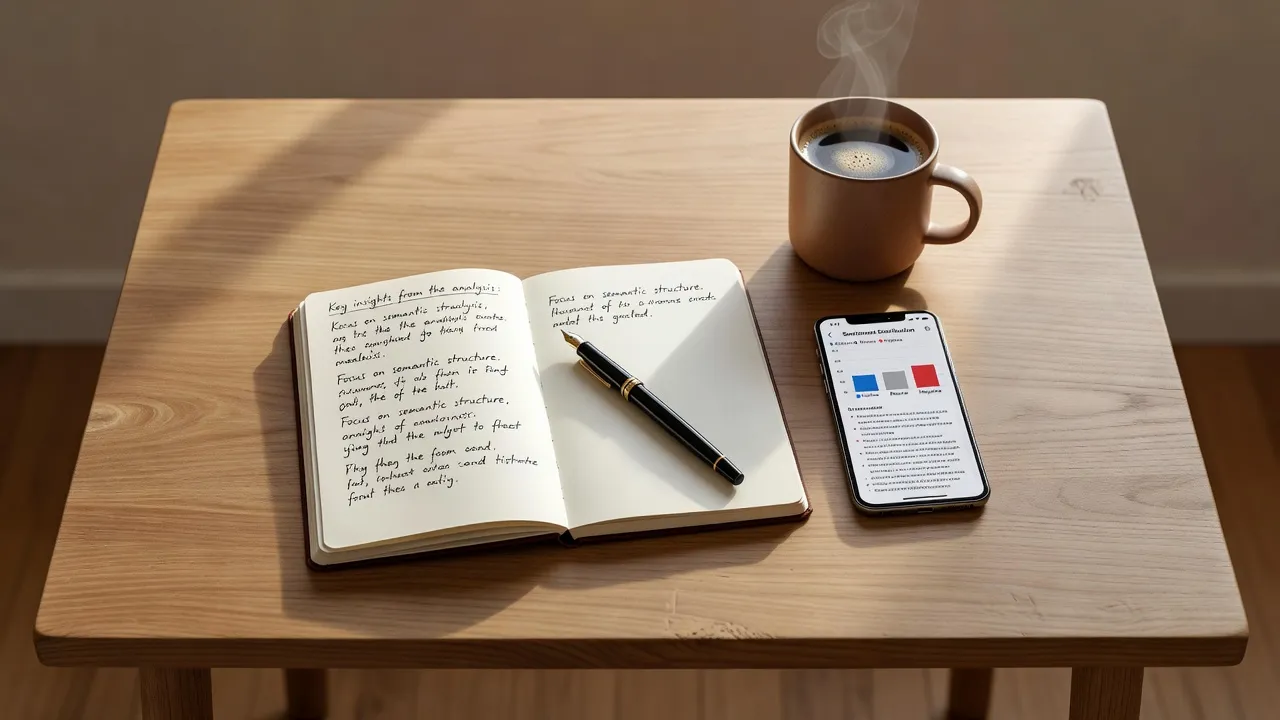
What are the best daily writing prompt books writers recommend?
The best daily writing prompt books isolate specific skill mechanics—such as dialogue rhythm, narrative structure, or sensory detail—rather than just offering generic journal prompts. Writers consistently favor books that enforce clear constraints, such as character limits, specific vocabulary targets, or time boundaries.
When choosing a prompt book, pick one that aligns directly with your current goal:
- For creative stamina: Books that offer open-ended scenario hooks to help overcome blank-page anxiety.
- For academic and technical precision: Workbooks that challenge you to reframe arguments, outline rapidly, or practice varied types of writing.
- For stylistic agility: Guides focused on constrained writing, such as drafting a scene using only action verbs or writing without specific adjectives.
Practicing without feedback often reinforces bad habits. Using a digital study companion like the ThinkAssist iOS App allows you to snap a photo of your hand-written prompts to check sentence structure, grammar, and argument flow instantly.
Is The Artist's Way by Julia Cameron and its Morning Pages still recommended?
Yes, The Artist's Way by Julia Cameron remains widely recommended by writers, primarily for its core exercise called "Morning Pages." This practice requires writing three pages of longhand, stream-of-consciousness thought immediately upon waking, with zero editing or censorship allowed.
According to Julia Cameron's official guide, Morning Pages are not meant to be high literature; they are designed to clear mental clutter and silence your inner critic. The key trade-off with Morning Pages is time efficiency.
Writing three longhand pages takes roughly 20 to 30 minutes every morning. For students or professionals trying to master structured argument building, Morning Pages serve strictly as a warm-up rather than a complete writing curriculum.
Is 642 Things to Write About recommended by writers?
Yes, 642 Things to Write About by the San Francisco Writers' Grotto is highly recommended for quick, low-stakes creative drills. Published by Chronicle Books, the book provides short prompts ranging from single-line instructions to half-page scenarios.
The book excels at breaking writer's block because of its sheer variety and space-constrained layout. You write directly on the page, which forces conciseness.
The main trade-off is its lack of instructional guidance. The book gives you intriguing hooks (such as "Write a eulogy for a houseplant"), but it does not teach you how to organize a paragraph or revise poor syntax.
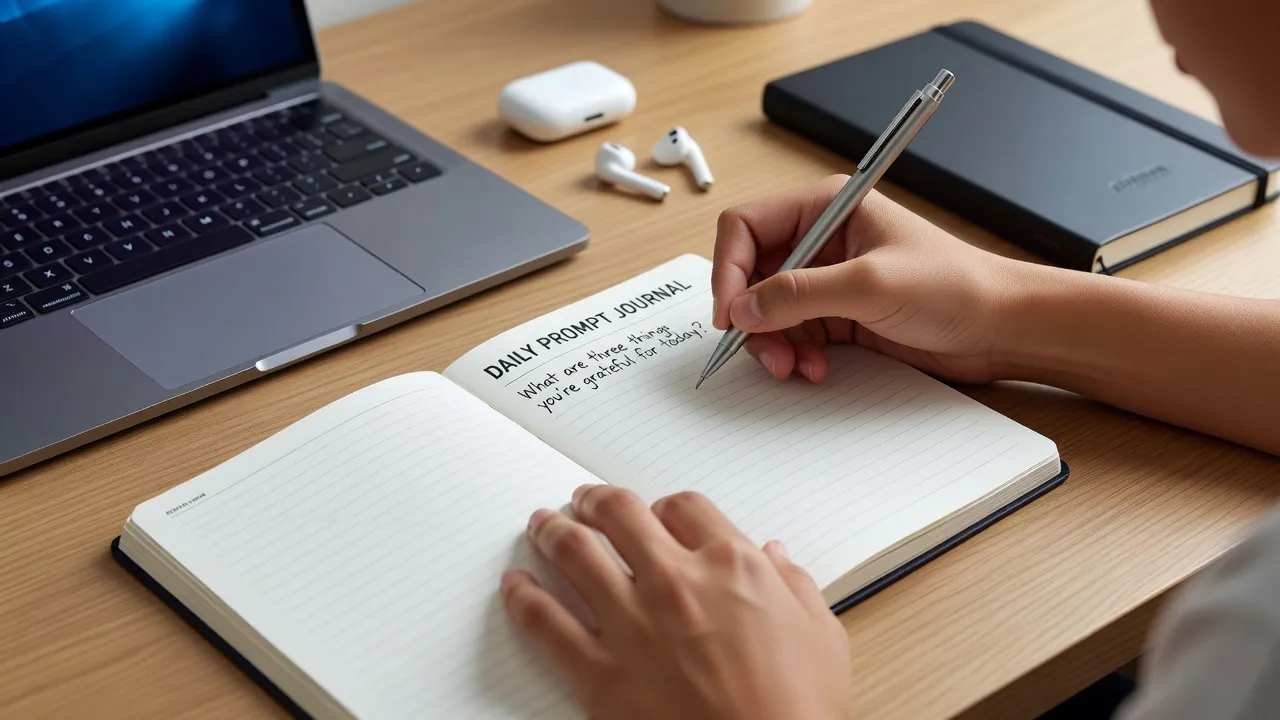
Is Writing Down the Bones by Natalie Goldberg recommended for daily writing practice?
Yes, Writing Down the Bones by Natalie Goldberg is considered a foundational text for developing daily writing discipline. Goldberg frames writing as a physical and mental practice similar to meditation, emphasizing speed, non-judgment, and continuous movement of the pen.
As highlighted by Shambhala Publications, Goldberg's core drill involves setting a timer for 10 or 10 minutes and writing without stopping, crossing out, or correcting spelling. This teaches writers to bypass self-doubt and access vivid first thoughts.
The main drawback is that Goldberg focuses almost entirely on creative expression rather than formal structure. It is exceptional for voice development, but less helpful when learning practical writing tips for academic research papers.
Is A Year of Writing Prompts (365 Writing Prompts) recommended by writers?
Yes, 365-day prompt collections are broadly recommended for writers who need predictable, structured daily habits without decision fatigue. Having a pre-assigned task for every day of the calendar year eliminates the friction of deciding what to write about.
These collections typically rotate through genres:
- Memoir and personal reflection: Focuses on memory recall and voice.
- Fiction hooks: Focuses on world-building and character conflict.
- Persuasive arguments: Challenges you to take a stance on everyday debates.
The primary trade-off is variable prompt quality. Across 365 prompts, several will inevitably feel uninspiring or irrelevant to your personal writing goals, requiring you to skip or modify them.
Is The Daily Writer by Fred White recommended for daily writing exercises?
Yes, The Daily Writer by Fred White is strongly recommended for writers who want historic context and structural commentary alongside daily prompts. Unlike purely creative prompt lists, White's book offers 365 entries that each include a brief essay on craft, a sample exercise, and a specific writing objective.
White covers critical elements of craft, such as managing narrative pace, building tension, and using rhetorical devices effectively. The trade-off is that it requires more active reading time before you start drafting.
If you only have ten minutes a day to write, reading the daily craft lesson can take up half your dedicated window.
Comparing Top Writing Exercise Tools and Resources
Selecting the right exercise format depends on whether you need creative inspiration, habit formation, or academic structure. The table below compares top physical books and digital study tools based on target use cases and core limitations, with values updated as of September 2026.
| Resource / Tool | Best Suited For | Primary Strength | Key Limitation |
|---|---|---|---|
| The Artist's Way | Overcoming creative block | Clears mental anxiety via longhand stream-of-consciousness | Requires 30 minutes daily; lacks formal structural training |
| ThinkAssist AI App | Students needing immediate essay & prompt feedback | AI-powered step-by-step guidance, OCR prompt scanning, and 24/7 tutoring support | Requires a digital device; not focused on creative fiction |
| 642 Things to Write About | Short, spontaneous creative warm-ups | Varied prompts directly inside a physical workbook layout | Zero instructional feedback on grammar, style, or structure |
| Writing Down the Bones | Developing raw writing voice and speed | Teaches writers to ignore their inner critic and write continuously | Minimal focus on academic formats, outlining, or revisions |
| The Daily Writer | Learning formal literary craft daily | Combines historical examples and craft theory with daily drills | Requires dedicated reading time before each writing exercise |
How to Structure Daily Writing Exercises for Skill Growth
To make writing exercises actually improve your work, you must structure them with clear constraints and feedback. Simply filling pages with text without evaluating your mechanics creates bad habits that are difficult to break later.
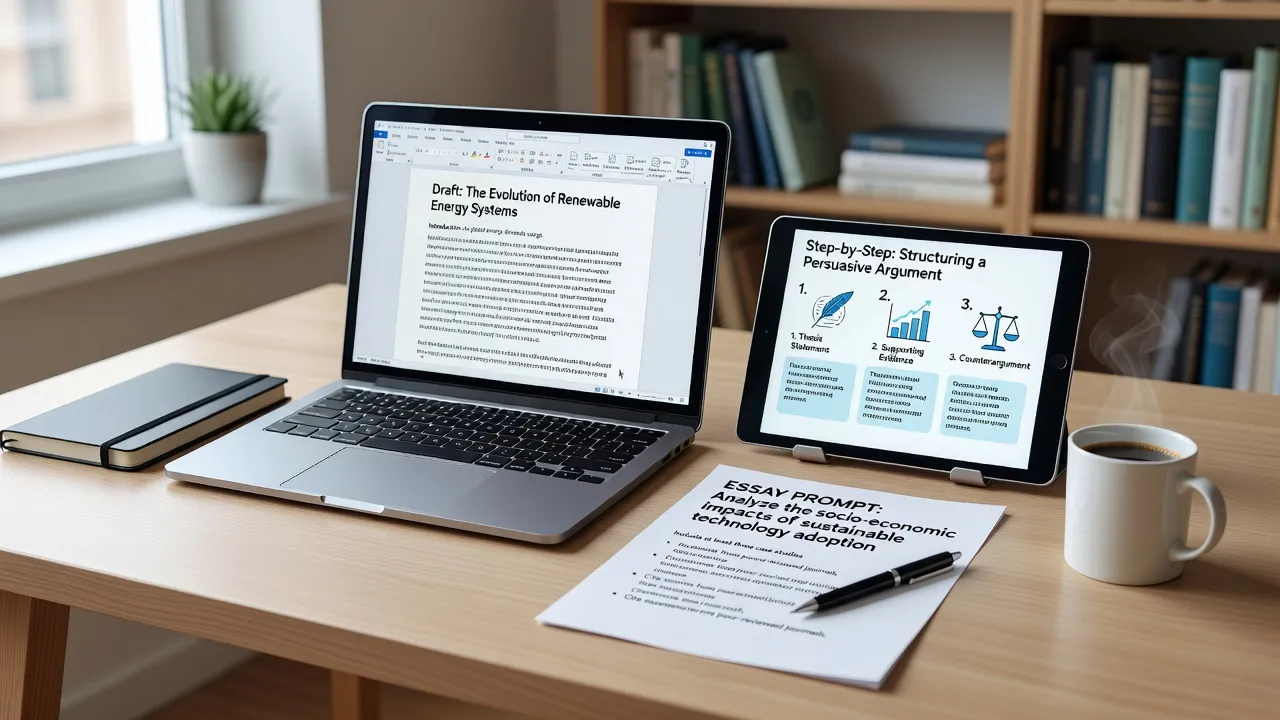
Step 1: Isolate a Single Skill
Do not try to practice plot, vocabulary, and argument structure in a single 15-minute drill. Choose one mechanic per session.
For instance, dedicate Monday strictly to practicing strong action verbs, and Tuesday to mastering the races writing strategy for structured responses.
Step 2: Set Strict Time and Word Constraints
Give yourself 10 to 15 minutes max per exercise. Constraints force your brain to bypass perfectionism and focus entirely on execution.
- 10-minute constraint: Write a 150-word persuasive paragraph without using passive voice.
- 15-minute constraint: Draft a short scene using sensory descriptions excluding sight.
Step 3: Analyze and Revise Immediately
Writing the exercise is only half the work. Spent 5 minutes reviewing what you produced. Look for repeated words, weak transitions, or unclear thesis statements.
When working on academic assignments, using ThinkAssist allows you to snap a quick photo of your handwritten or typed exercise. The app automatically detects the subject matter, evaluates your draft, and delivers step-by-step explanations on how to strengthen your reasoning or structural clarity.
Why ThinkAssist Helps Students Master Writing and Homework
While traditional prompt books help build creative discipline, student writers often need real-time assistance with academic structure, essay prompts, and complex assignments. ThinkAssist bridges the gap between raw creative writing and polished academic output.
Here is how students leverage ThinkAssist during daily practice:
- Snap a Photo of Any Prompt: Take a photo of your English essay prompt, history assignment, or reading comprehension question to receive immediate, structured guidance.
- Step-by-Step Explanations: Instead of simply giving you an answer, ThinkAssist breaks down how to construct strong thesis statements, outline body paragraphs, and format citations correctly.
- 24/7 Automated Tutoring: Whether practicing late at night or preparing for exams, you have an AI-powered tutor ready to evaluate your work and answer questions in real time.
- Automatic Subject Detection: The app adjusts its analytical engine whether you submit a persuasive essay draft, a literature breakdown, or a short-answer quiz question.
- Easy Exam Prep: Past solutions, structural breakdowns, and prompt explanations are saved automatically inside the app, creating a personalized review bank for upcoming tests.
Frequently Asked Questions
What are the best daily writing exercises for beginners?
The best beginner exercises are timed freewriting (writing without stopping for 5 minutes) and sentence-level constraints, such as writing a complete scene in under 100 words. These build momentum without overwhelming you with structural rules.
How long should a daily writing exercise take?
A standard daily writing exercise should take between 10 and 20 minutes. Keeping exercises brief prevents burnout and allows you to practice consistently every day.
Do prompt books help with academic and essay writing?
Prompt books help build fluency and stamina, but they rarely teach academic formatting or argumentative structure. Students should pair creative prompts with structured drills like outline building and step-by-step thesis analysis.
What is the difference between freewriting and structured prompts?
Freewriting is unguided stream-of-consciousness drafting designed to clear mental blocks. Structured prompts enforce specific rules, such as word limits, themes, or target vocabulary, to improve specific writing mechanics.
Can AI tools like ThinkAssist help improve my writing skills?
Yes, AI tools improve writing skills by providing instant feedback on structural clarity, grammar, and argument flow. Taking a photo of your exercise using ThinkAssist gives you immediate step-by-step suggestions for revision.
Should I do writing exercises on paper or on a computer?
Writing on paper helps slow down your thoughts and reduces digital distractions, making it ideal for creative freewriting. Typing is better for speed, editing practice, and running drafts through digital feedback tools.