
The four main types of writing are expository, persuasive, descriptive, and narrative, each defined by its primary purpose, tone, and underlying structure. Expository writing informs or explains facts without personal bias; persuasive writing aims to convince the reader of a specific viewpoint; descriptive writing creates vivid sensory pictures; and narrative writing tells a story with plot and characters. Understanding these distinctions helps students, professional writers, and content creators choose the correct tone and framework for any assignment or project.
When working on complex school assignments, identifying which style an essay prompt requires can feel overwhelming. Tools like ThinkAssist help students analyze writing prompts by breaking down complex assignment guidelines and providing instant, step-by-step writing guidance.

What are the 4 main types of writing?
The four fundamental types of writing are expository, persuasive, descriptive, and narrative. Every written document, from a high school English essay to a technical manual or a bestselling novel, falls into one of these primary categories based on the writer's underlying goal.
| Type | Purpose |
|---|---|
| Expository | Inform/Explain |
| Persuasive | Convince/Argue |
| Descriptive | Paint Visual |
| Narrative | Tell Story |
What is expository writing?
Expository writing is a factual style of composition designed to inform, explain, or describe a topic without introducing the author's personal opinions. This format relies entirely on verifiable facts, statistics, historical dates, and logical sequences. As of August 2026, standard high school and college writing curricula prioritize expository writing for research papers because it teaches objective analysis.
Typical examples of expository writing include:
- Academic textbooks and research papers
- How-to guides and technical manuals
- News articles reporting current events
- Business reports and user documentation
What is persuasive writing?
Persuasive writing is a strategic style that uses logical arguments, emotional appeals, and evidence to convince the reader to accept a specific viewpoint or take action. Unlike expository prose, persuasive text explicitly takes a side on a debated topic and defends it against counterarguments.
You will encounter persuasive writing in political speeches, editorial columns, advertising copy, and academic argument papers. If you are struggling to pick a strong stance for an essay, exploring curated lists of persuasive writing essay topics can help you find a topic with strong supporting data.
What is descriptive writing?
Descriptive writing is an artistic style that uses sensory details and figurative language to paint a vivid mental image of a person, place, object, or event. Instead of simply stating facts, descriptive text targets the five senses (sight, sound, smell, touch, and taste) to make the reader feel present in the scene.
Common applications include:
- Creative writing and poetry
- Travel memoirs and location descriptions
- Character profiles in fiction
- Detailed product reviews
What is narrative writing?
Narrative writing is a story-based format that presents a sequence of connected events featuring characters, setting, conflict, and resolution. The main objective is to entertain or convey a personal lesson through a structured storyline, whether real or fictional.
Key components of narrative writing include:
- Plot arcs (introduction, rising action, climax, falling action, resolution)
- Character development and dialogue
- First-person ("I") or third-person ("he/she/they") point of view
For academic assignments, personal statements and college application essays frequently require this format. Reviewing real-world narrative essay examples offers a practical blueprint for structuring personal experiences effectively.
How do writing styles compare across practical criteria?
Writing styles differ primary in their core goals, structural tone, perspective, and intended target audience. Understanding how each style functions side-by-side helps you avoid common mistakes, such as slipping subjective opinions into an expository report.
The following matrix compares the essential characteristics of each major writing type:
| Writing Type | Primary Goal | Tone & Stance | Common Perspective | Typical Formats |
|---|---|---|---|---|
| Expository | Inform, clarify, explain facts | Neutral, objective, unbiased | Third-person (It, They) | Textbooks, reports, news, manuals |
| Persuasive | Convince, argue, persuade | Opinionated, passionate, logical | First or third-person | Editorials, ads, position papers |
| Descriptive | Paint a sensory picture | Expressive, detailed, immersive | First or third-person | Poetry, fiction scenes, travel logs |
| Narrative | Tell a complete story | Story-driven, engaging, reflective | First or third-person | Novels, memoirs, personal essays |
| Technical | Instruct or direct specific actions | Direct, formal, precise | Second or third-person | API docs, user manuals, SOPs |
What is the difference between expository and persuasive writing?
The fundamental difference between expository and persuasive writing is neutrality: expository writing presents facts neutrally, while persuasive writing takes a clear position. An expository essay on renewable energy outlines how solar panels work; a persuasive essay argues that governments should mandate solar installation on all new homes.
According to the Purdue Online Writing Lab, expository assignments require students to evaluate evidence without forming a personal argument, making factual precision the primary grading metric. By contrast, persuasive writing guidelines published by the UNC Writing Center emphasize that an effective persuasive paper must feature a claim that someone could reasonably dispute.
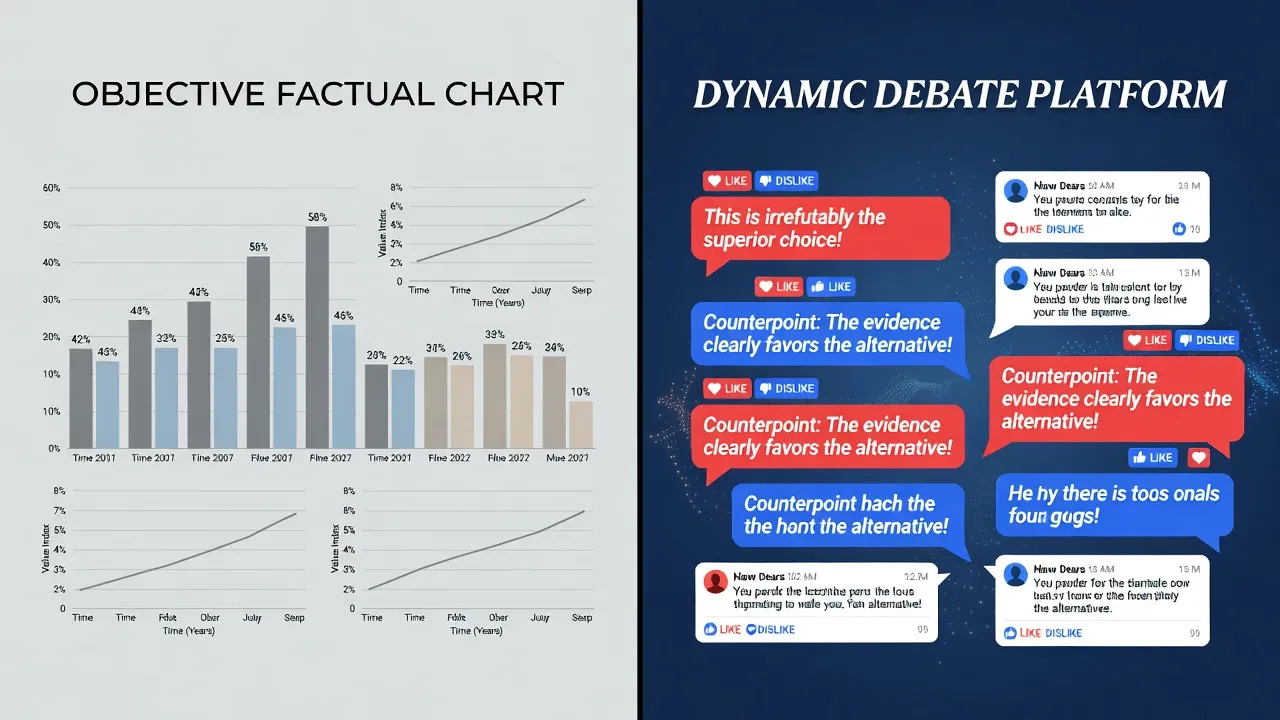
When reviewing complex literature or political texts, writers often perform a rhetorical analysis to break down how authors construct their arguments. Analyzing a professional rhetorical analysis essay example illustrates how persuasive techniques (such as ethos, pathos, and logos) differ from pure expository reporting.
What are specialized sub-genres of writing?
Specialized sub-genres are targeted variations of the four core writing types, tailored for professional, academic, or technical contexts. While every piece of prose maps back to expository, persuasive, descriptive, or narrative roots, specialized sub-genres introduce strict formatting rules and field-specific terminology.
What is technical writing?
Technical writing is a specialized form of expository writing designed to explain complex technical, scientific, or procedural information in simple terms. Technical writers produce user guides, software documentation, standard operating procedures, and medical safety manuals. Precision is paramount: a single misstated step in a technical manual can render a product unusable.
What is academic writing?
Academic writing is a formal sub-genre used in high schools, universities, and research institutions to communicate scholarly research. It prioritizes structured arguments, formal vocabulary, and precise citation styles like APA, MLA, or Chicago.
As documented in Wikipedia's entry on writing styles, academic writing relies heavily on evidence-based synthesis rather than unverified opinion.
What is creative writing?
Creative writing is an expressive sub-genre that prioritizes imagination, emotional depth, and narrative art over factual reporting. It encompasses fiction novels, short stories, poetry, screenplays, and creative nonfiction. Creative writing leans heavily on descriptive and narrative techniques to engage readers on an emotional level.
How do you identify which writing type a prompt requires?
You can identify the required writing type by scanning the prompt for specific action verbs that signal the instructor's or reader's intent. Assignment prompts rely on standardized keywords to tell you whether to explain, persuade, describe, or recount.
| Prompt type | Writing type |
|---|---|
| "Explain...", "Analyze..." | Expository |
| "Argue...", "Evaluate..." | Persuasive |
| "Describe...", "Illustrate..." | Descriptive |
Look for these key action verbs in your assignment instructions:
- Expository Signals: "Explain," "analyze," "summarize," "define," "compare and contrast," or "outline." (Example: "Explain how photosynthesis converts sunlight into chemical energy.")
- Persuasive Signals: "Argue," "convince," "defend," "evaluate," "persuade," or "justify." (Example: "Argue whether remote work improves overall employee productivity.")
- Descriptive Signals: "Describe," "illustrate," "detail," or "depict." (Example: "Describe the atmospheric conditions of a desert storm.")
- Narrative Signals: "Recount," "relate," "tell about," or "share an experience." (Example: "Recount a moment when you overcame a significant challenge.")
If an essay prompt feels confusing or contains ambiguous instructions, downloading a specialized homework app like ThinkAssist allows you to scan the page and receive an instant structural breakdown of what the assignment requires.
How can students master different writing types quickly?
Students can master different writing types quickly by building outline templates for each format and practicing step-by-step structural drafts. Writing is a repeatable skill; once you know the required formula for a specific genre, drafting becomes significantly faster.

Here is a 4-step framework to approach any writing assignment:
- Deconstruct the Prompt: Identify the core action verb to determine if you are writing an expository, persuasive, descriptive, or narrative piece.
- Build a Strict Outline: Map out your introduction (with a clear thesis statement), thesis-driven body paragraphs, and conclusion before writing full sentences.
- Gather Targeted Evidence: Collect statistical data for expository pieces, logical arguments for persuasive essays, or sensory details for descriptive narratives.
- Leverage AI Learning Assistants: Use ThinkAssist as your 24/7 tutor to review your essay outlines, check structural clarity, and verify that your tone matches the prompt requirements.
Modern AI study helpers act as personal coaches. Features like automatic subject detection allow apps like ThinkAssist to instantly recognize whether you are working on an English literature analysis, a history term paper, or a science lab report. You can save past answers and step-by-step explanations directly inside the app, making exam prep for writing tests straightforward and stress-free.
Frequently Asked Questions
What are the 4 main types of writing?
The four main types of writing are expository, persuasive, descriptive, and narrative. Expository writing explains facts, persuasive writing presents arguments, descriptive writing details sensory experiences, and narrative writing tells stories.
Can an essay combine more than one type of writing?
Yes, many complex essays combine multiple writing styles. For instance, a persuasive essay might include a brief narrative anecdote in the introduction and expository facts in the body paragraphs to support its main argument.
Which writing type is used most often in academic research papers?
Expository writing is the most common format in academic research papers because it focuses on objective facts, data analysis, and unbiased reporting without personal commentary.
What is the main purpose of persuasive writing?
The main purpose of persuasive writing is to convince the reader to accept a specific viewpoint, adopt a belief, or take a concrete action based on logic, evidence, and argument.
How does technical writing differ from standard expository writing?
Technical writing is a specialized branch of expository writing designed specifically to instruct users on how to operate technology, follow complex protocols, or execute precise procedures.
How do I know if my essay should be narrative or expository?
Check the prompt verbs. If the prompt asks you to recount a personal experience using words like "tell" or "share," write a narrative essay. If it asks you to "explain" or "analyze" a factual topic, write an expository essay.
What is descriptive writing used for in business?
In business, descriptive writing is frequently used in product descriptions, marketing campaigns, and real estate listings to help potential customers visualize products or experiences.
How can AI study apps help improve my writing skills?
AI study apps like ThinkAssist help students analyze complex prompt guidelines, build structured outlines, detect subject context automatically, and provide step-by-step guidance for writing assignments.